Hunger is rarely about scarcity — it is about timing. World Food Bank's sustainable food systems let nations bank surplus harvests and draw them down when drought, flood or conflict strikes.
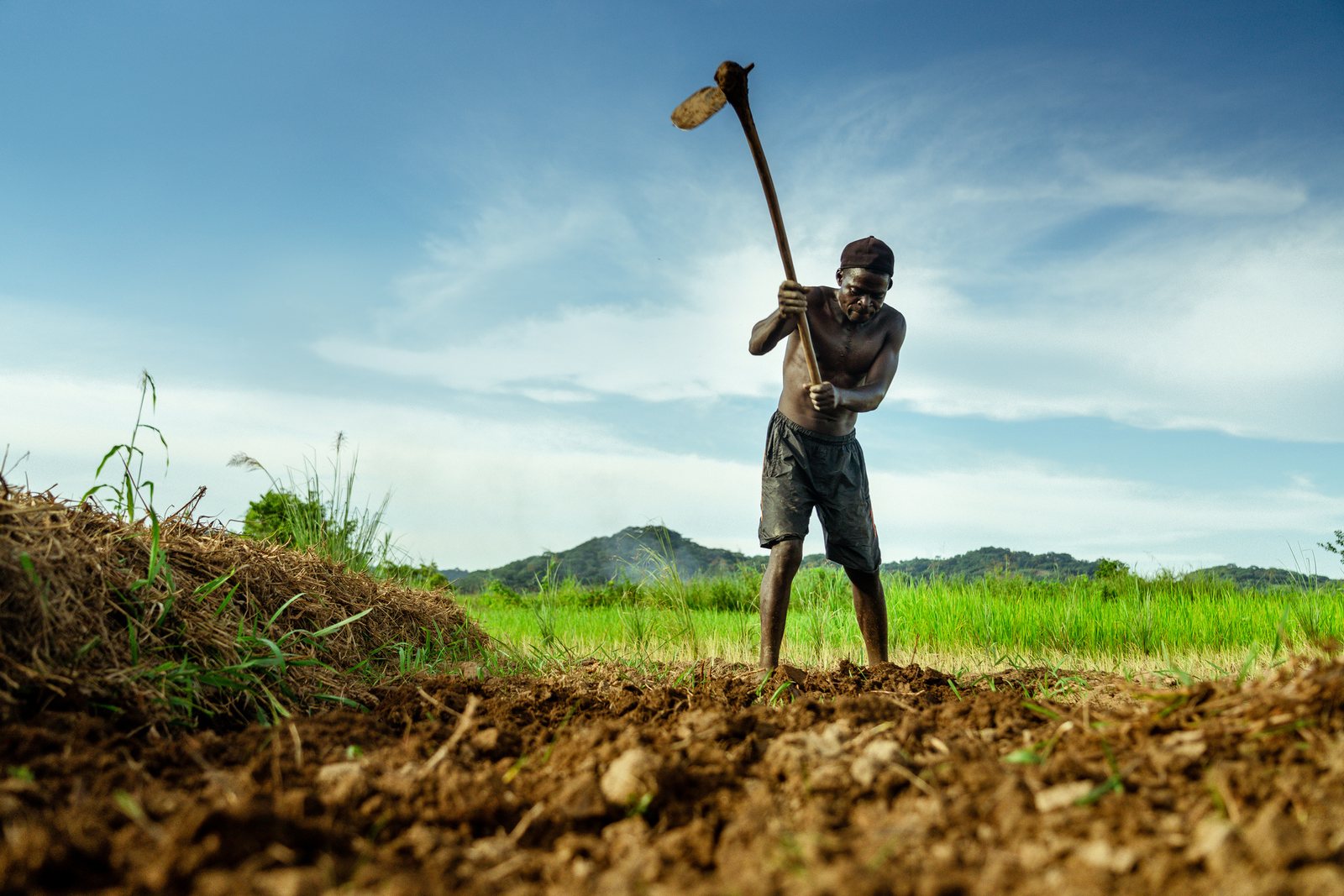
Every year, smallholder farmers watch a third of their harvest rot in the field for lack of storage — while, months later, the same communities buy back food at triple the price during the hungry season. This is the hunger cycle, and it is a problem of banking, not of farming.
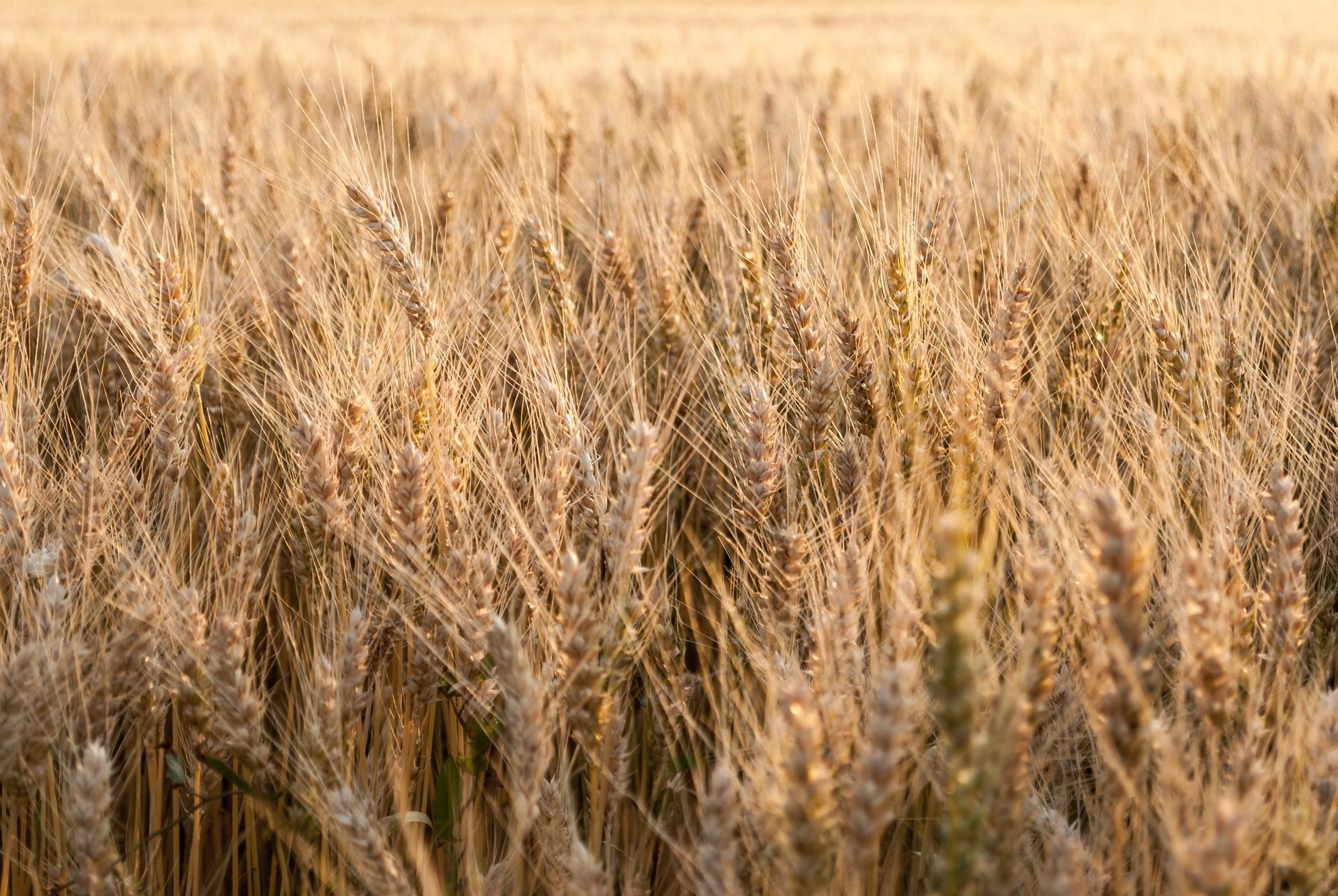
World Food Bank's grain reserve system works like a central bank for food. Surplus grain is purchased at fair prices at harvest, stored in modern hermetic facilities, and held as a strategic national reserve. When drought, flood or market shock hits, the reserve is drawn down — stabilizing prices and keeping food within reach of the families who grew it.
Each reserve is paired with transparent accounting and local governance, so the system belongs to the community it serves. The result: farmers earn more at harvest, families pay less in crisis, and nations hold real food sovereignty in their own hands.