Hunger, poverty, and the destruction of natural resources are deeply connected. World Food Bank works to reverse that cycle.
Why we do what we do
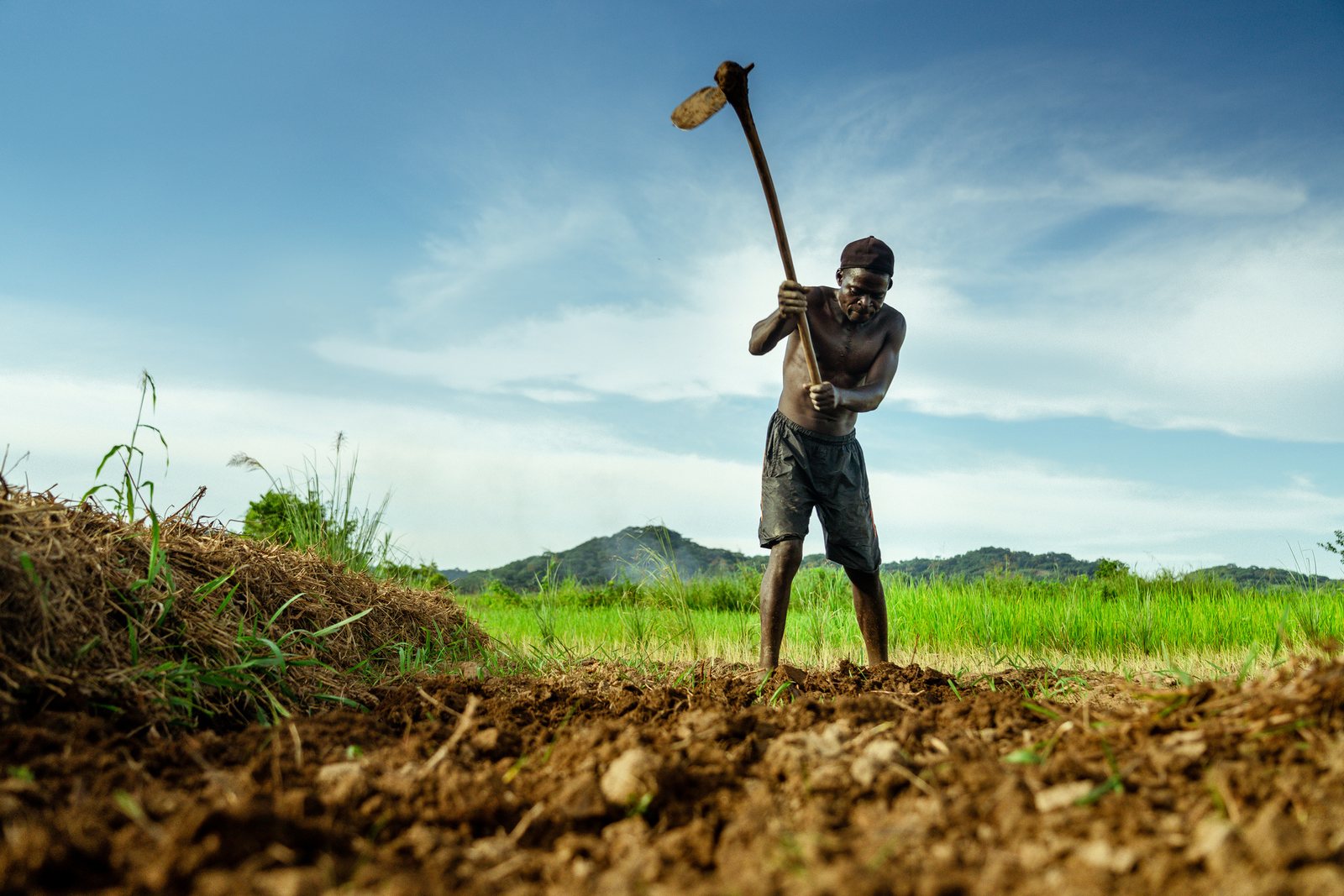
Hunger, poverty, and the destruction of natural resources are deeply connected. When soils lose their vitality, farmers struggle to produce enough nutritious food and earn a dependable living. Families become more vulnerable, and pressure on land and water grows. World Food Bank works to reverse that cycle. We believe lasting food security begins with restoring the resources that sustain us and creating opportunities for people to build prosperity from the land they care for.
How we do what we do
We build regenerative food systems by connecting farmer education, quality inputs, financing, storage, processing, and reliable markets. Our model supports stronger living soils, greater food production, improved nutrition, and richer biodiversity—building resilience from the ground up. We invest in integrating these value chains, then structure financing that enables local farmers, cooperatives, and businesses to acquire the assets and enterprises within them. As local ownership grows, communities gain the means to sustain their progress and own their future.
Where we do what we do
Our work spans Africa, Latin America, and the United States, guided by a shared purpose: helping communities build food systems that nourish people, restore nature, and create lasting economic opportunity. Every place brings different soils, climates, cultures, and markets. We work alongside local stakeholders to understand those conditions and adapt our model accordingly, connecting local knowledge with the expertise, investment, and partnerships needed to build systems that communities can sustain.
Who helps us do it
Lasting change takes coordinated effort. We lead government projects and work with NGOs, businesses, development banks, farmers, and community organizations to turn shared goals into practical action. Our diverse board of directors and advisors brings experience across agriculture, finance, technology, nutrition, conservation, and public policy. Together with the people who live and work in each community, we bring the knowledge, relationships, and resources needed to build regenerative food systems and lasting local ownership.