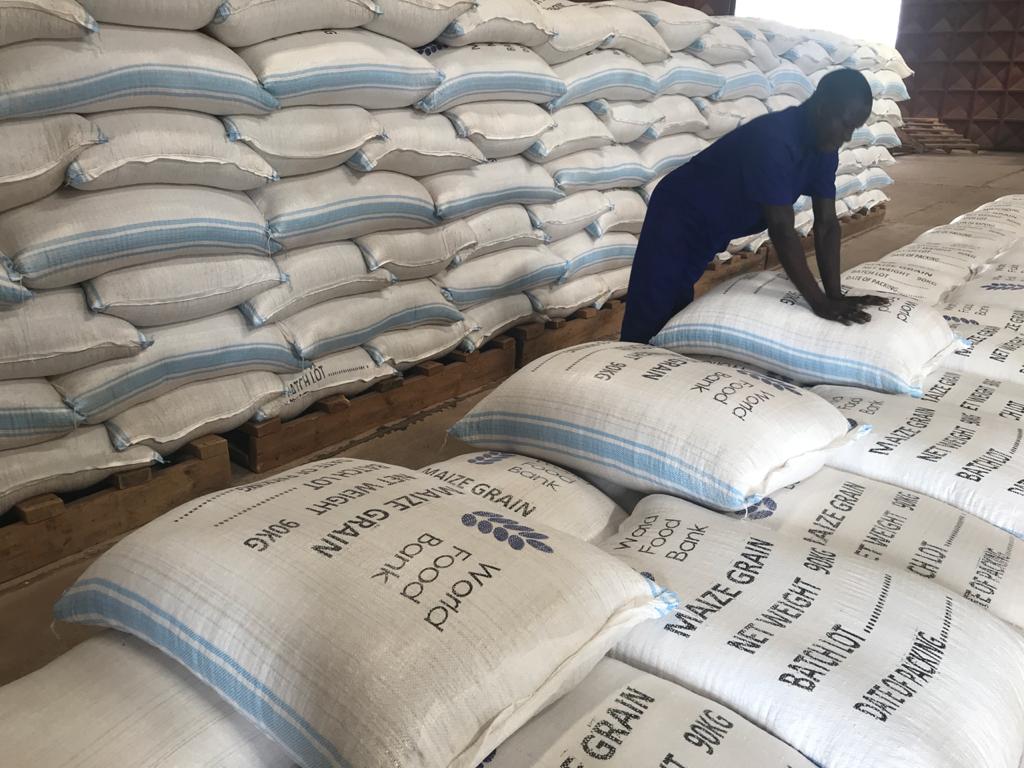
How training more than 9,700 smallholder farmers in Hoima, Uganda, led to their largest maize crop ever and a Grade A quality rating.
Maize is the backbone of farming in Hoima, in western Uganda. Most farms are small family plots, and for many households the maize harvest is both the family's food for the year and its main source of cash. When yields are low or the grain is poor quality, families eat less and earn less.
When World Food Bank arrived, Hoima's farmers had just come through a season damaged by the fall armyworm, a fast-spreading pest that tunnels into maize plants. And much of the maize they did harvest was lost soon after, to mold and storage pests.
Training farmers at scale
In 2016 and 2017, World Food Bank taught a little more than 9,700 farmers in Hoima better techniques for growing maize, on the land they already had.
Water management was a central part of the training. Coming off the armyworm season, we showed farmers how to manage irrigation and the movement of water through their fields to help prevent and reduce armyworm damage.
Protecting the harvest after it is picked
Growing more maize only helps if it survives to market. Maize dried on bare ground picks up moisture, mold and insects. We taught farmers a method for drying their maize off the ground, so it stays clean and dry from the first day.
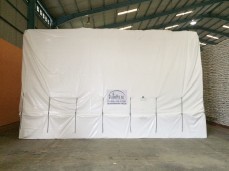
Then we aggregated maize from many farms. Pooling the harvest made it worthwhile to invest in hermetic storage: large airtight bags, each holding up to 100 metric tons, that cut off the oxygen mold and insects need. Grain that would once have spoiled in weeks could now be stored safely until it was sold.
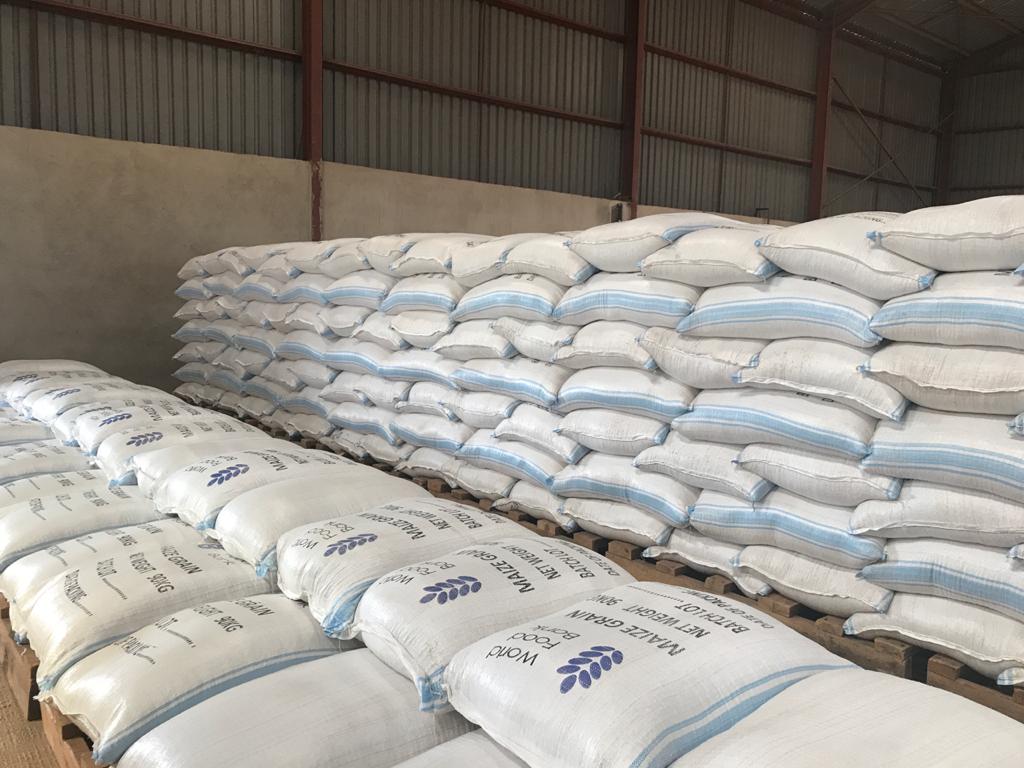
The largest crop they had ever grown
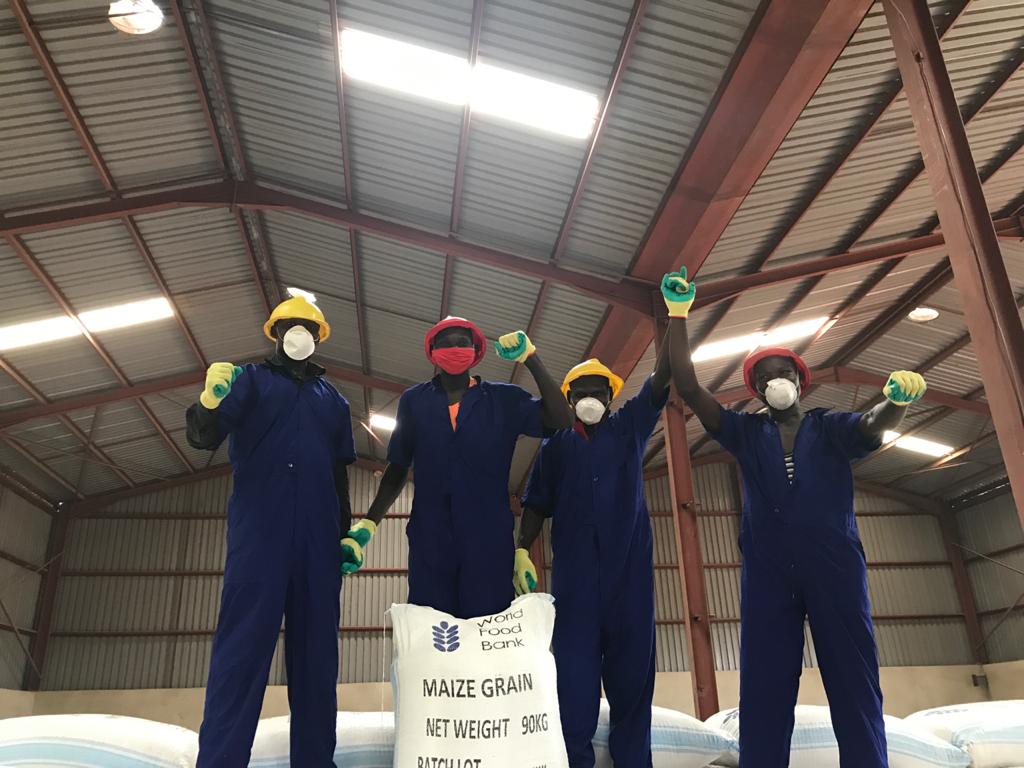
In March 2017, those farmers brought in their largest maize crop ever. The quality matched the quantity: AFGRI graded the harvest Grade A.
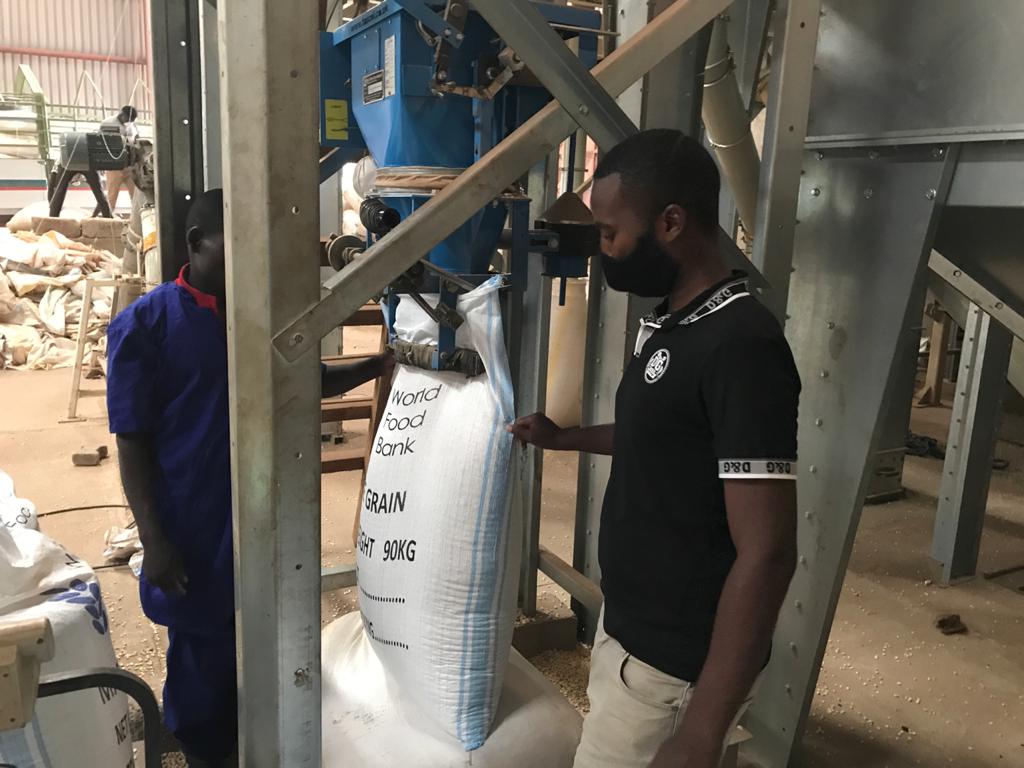
That combination matters. More maize means more food at home and more to sell. Grade A quality means that maize can meet the standards of millers, food processors and larger buyers, so farmers can sell into markets that were out of reach when their grain was inconsistent.
How World Food Bank works
Hoima shows how our model begins: with farmers. We look at what is actually costing them their harvest, from pests in the field to spoilage after harvest, and train them in practical solutions at a scale large enough to change a region's crop. Then we connect that harvest to the buyers and markets that turn a good crop into lasting income.

