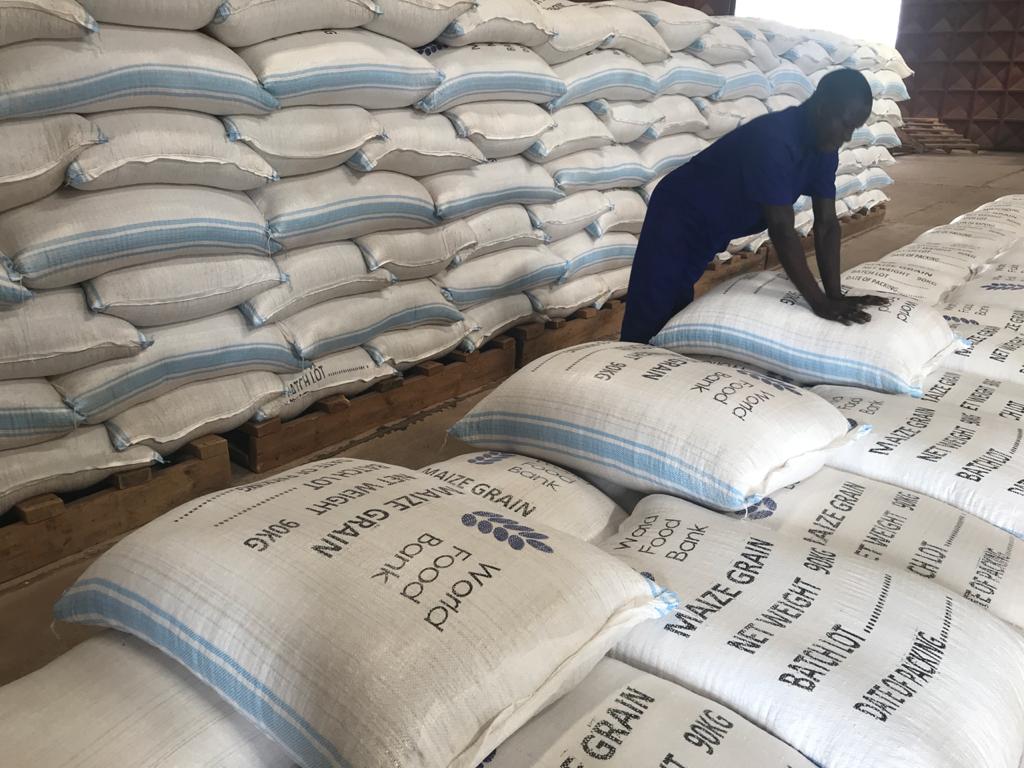

In Kenya's arid Kitui County, drought-hardy millet was once dismissed as a poor person's crop. Today, WFB trade corridors are turning it into a premium commodity — and doubling smallholder incomes.
Millet survives where maize fails. In Kitui County, where rains arrive late and leave early, generations of farmers grew millet only to eat it — there was simply no market for the surplus.
World Food Bank's agricultural trade corridor changed the equation. By aggregating harvests from hundreds of smallholders, guaranteeing quality through shared drying and storage facilities, and contracting directly with urban millers, WFB turned a subsistence crop into a reliable income stream.
Farmers in the program report incomes up 80 to 120 percent within two seasons. More importantly, they now plant with confidence: the corridor guarantees a buyer before the seed goes in the ground.
"We used to pray for rain," one farmer told our field team. "Now we plan for harvest."