How a national plan, a five-year contract and one simple question (will people actually eat this?) shaped World Food Bank's work in Ethiopia.
For years, much of the fortified food that reached Ethiopia's most vulnerable families was made somewhere else. Corn-soy blend, the fortified porridge aid agencies rely on for young children and nursing mothers, was manufactured abroad and shipped thousands of miles to Addis Ababa. It was slow, it was expensive, and it left a country with deep agricultural roots depending on factories it did not control.
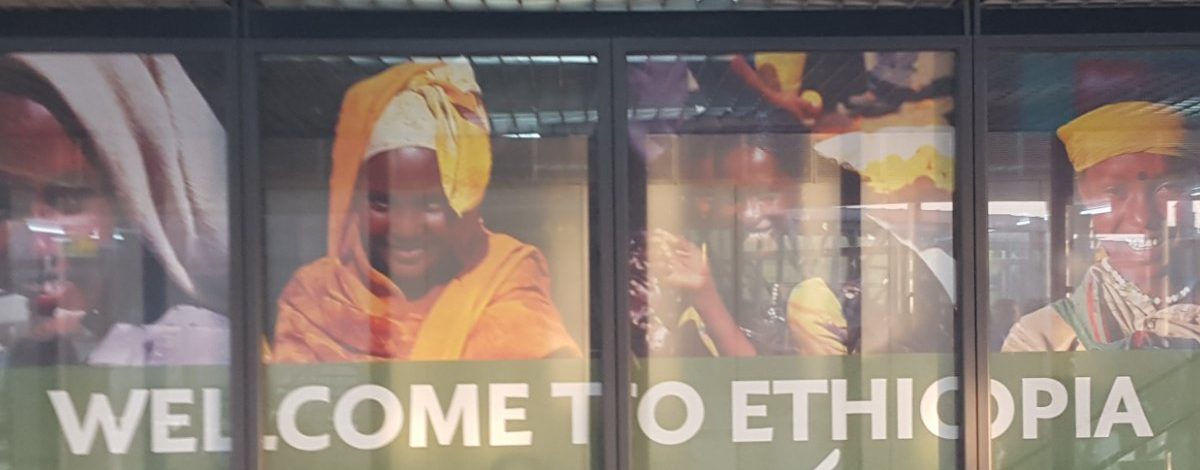
Ethiopia set out to change that. The government's Second Growth and Transformation Plan made food security, a national food reserve and local production of imported goods national priorities.
A national plan becomes a contract
World Food Bank worked alongside the government to turn that vision into a working supply chain. By early 2016, the ministries responsible for finance, trade, agriculture and food security, together with local industry, had reached a coordinated agreement on how the country would produce its own fortified food.

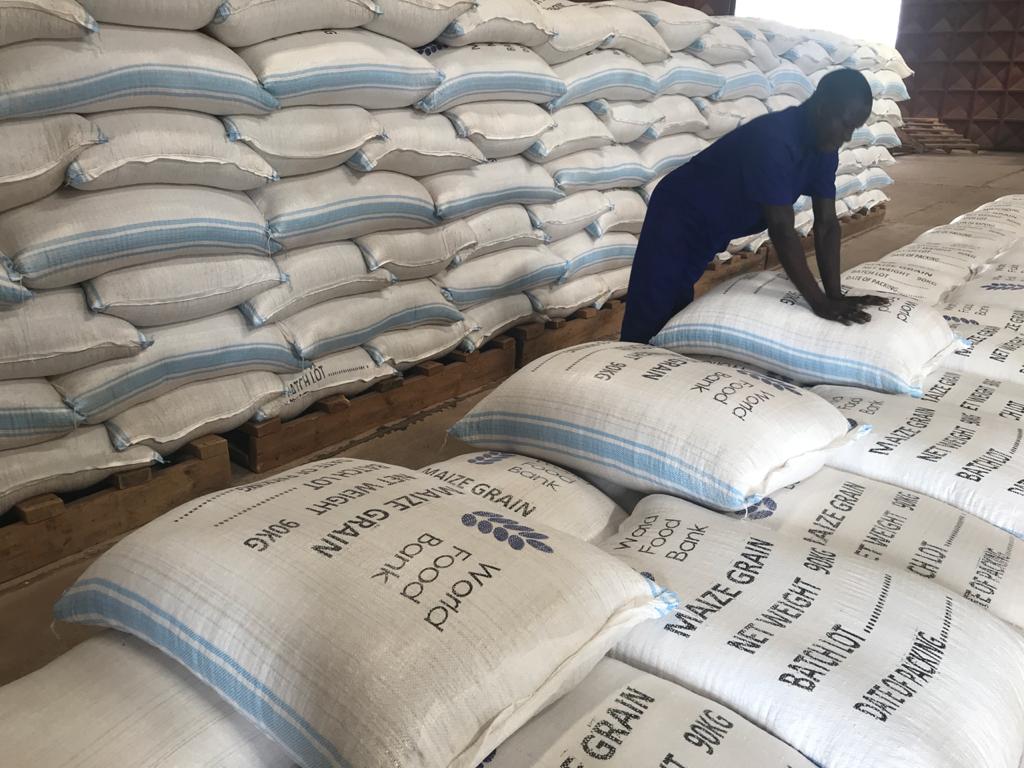
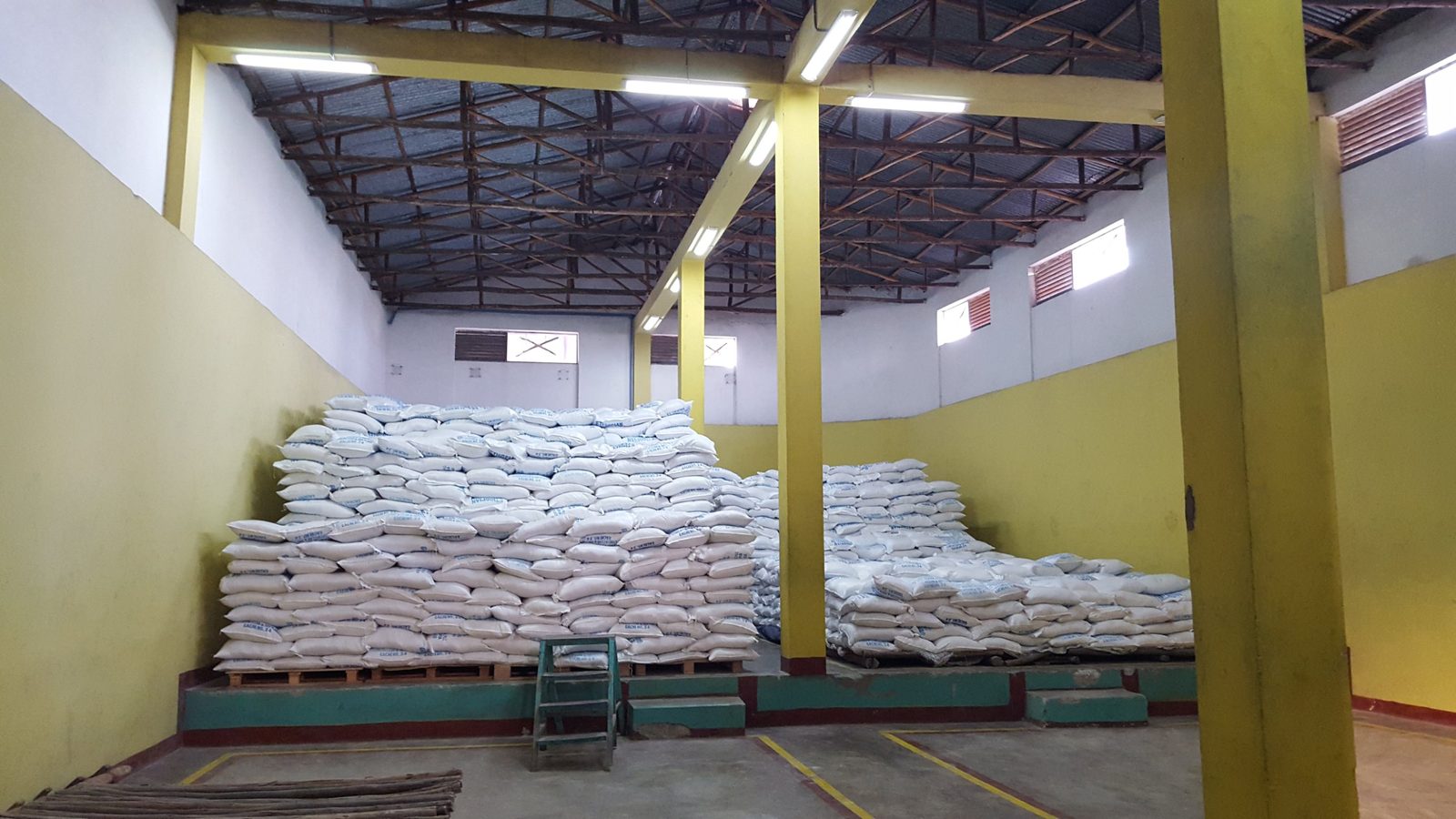
In December 2016, Ethiopia's National Disaster Risk Management Commission signed a five-year purchase contract with World Food Bank, led in-country by Country Director Jason Aubrey, to manufacture Super Cereal (CSB+) and Super Cereal Plus (CSB++) in Ethiopia. The government committed to buy 35% of the nation's defined need, an estimated 90,000 metric tons in 2017 alone, at a price no higher than the World Food Programme paid to import the same food.
Asking the harder question
As we planned production, we kept coming back to a question too few people in food aid stop to ask: will people actually eat this?
Soy is not part of how most Ethiopians eat. A senior Ethiopian government official told our team that much of the imported corn-soy blend was ending up as feed for goats. The World Food Programme had spent tens of millions of dollars making this food abroad and shipping it in, rather than investing in Ethiopian farmers and in a blend built on local crops.
So we recommended a different path: train Ethiopian farmers to grow higher-quality grain, and convert production to a corn-teff blend. Teff is Ethiopia's own grain, the foundation of injera, grown by millions of farmers and eaten every day. It is gluten-free and far richer in iron and calcium than maize. The most nutritious food is the one that actually gets eaten.
How World Food Bank works
Ethiopia shows how we work everywhere. We start with the market and the real need: what people eat, what farmers grow, and what the government is trying to achieve. Then we coordinate local production and build it toward BRCGS certification, the global food safety standard recognized by retailers worldwide, so the same facility can serve national food security and export markets.
The result is a food system that serves a country on its own terms: local farmers growing the grain, local workers making the food, and families receiving food they will actually eat.