How farmer clubs, poultry training, financed feed, a farmer app and a grocery chain came together to help Zambian farmers grow more and sell with confidence.
Most smallholder farmers in Zambia work alone: buying inputs on their own, learning by trial and error, and selling wherever they can. World Food Bank set out to change all of that at once.
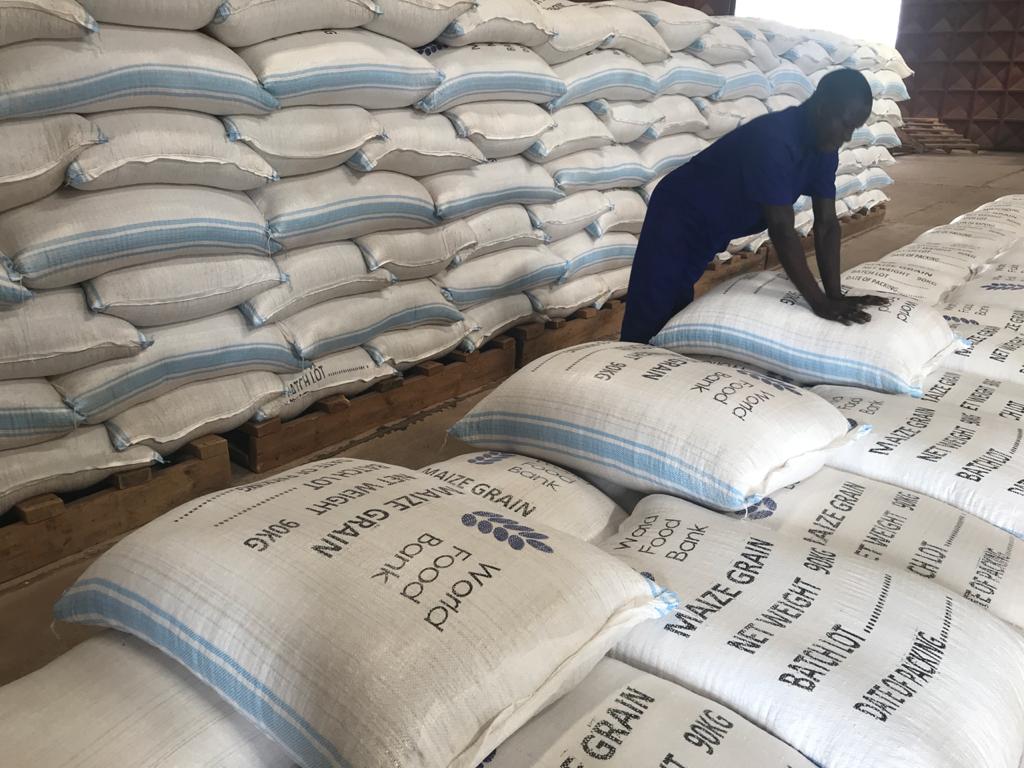
Our farmer clubs stretch from Kazungula, Kabanga and Mulobezi in the south and west, to Petauke and Chipata in the east, to Kapiri, Mposhi and Kabwe in central Zambia. We have trained more than 115,000 farmers directly, our partners have trained 230,000 more, and 5,500 farmers have received financing. On average, farmers in our program increased their income nine-fold within a year.
Learning together, starting with chickens
Farmers join clubs that train together and hold one another accountable. Training starts with poultry: a maize crop gives a farmer one chance a year to learn, while a flock of chickens gives that chance every six to eight weeks. From there, clubs learn regenerative practices that build healthy soil and grow stronger grains, pulses and vegetables.
Financing the feed behind the flock
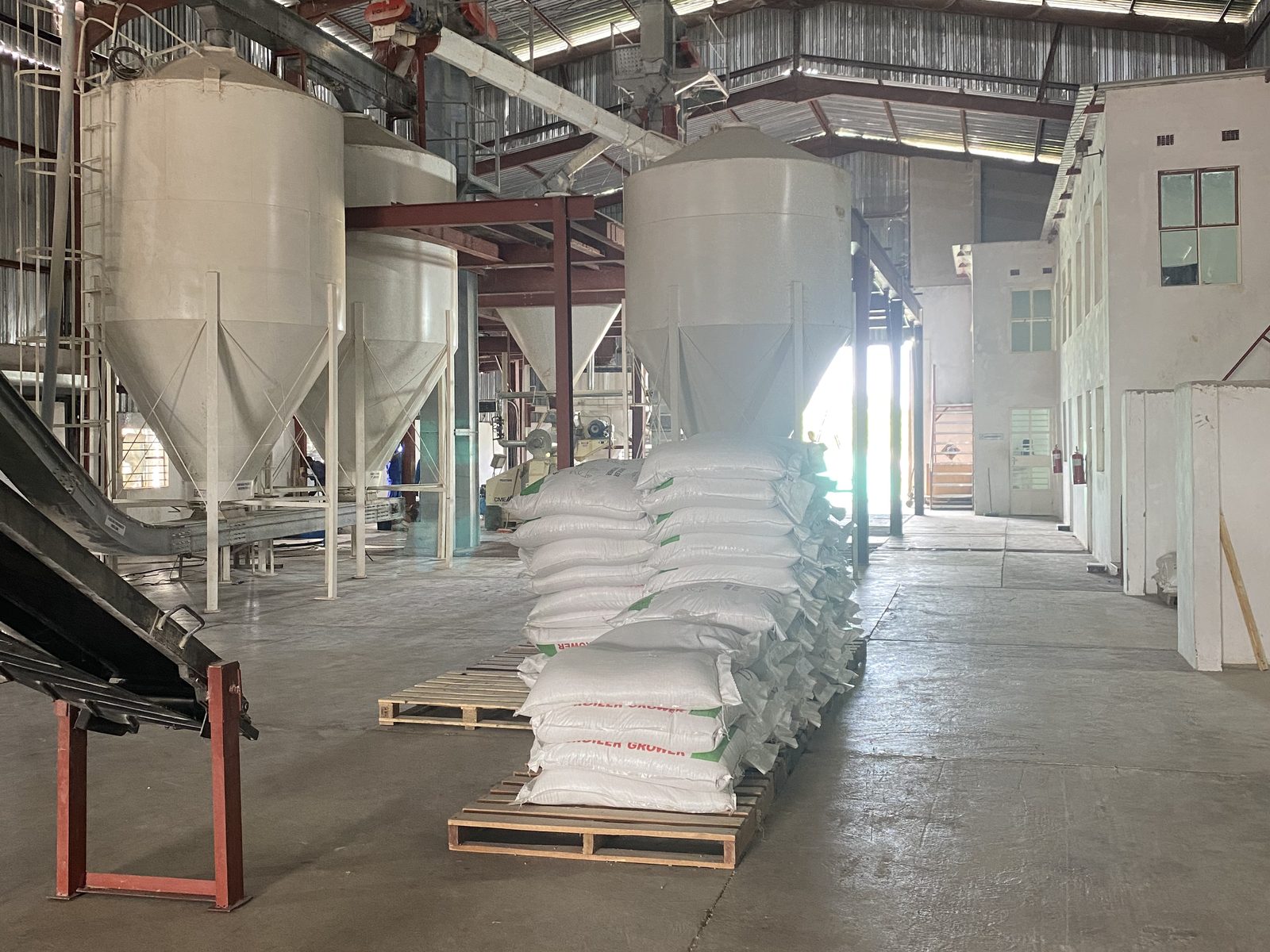
Feed is the biggest cost in raising chickens. World Food Bank financed inputs for feed mills so they could supply our poultry farmers, and clubs received their financing as chicks and feed rather than cash. As a club's results improve, it moves from bronze to silver, gold and platinum, earning better access to financing.
Ready buyers and a farm advisor in every pocket
Hamara grocery stores bought the farmers' produce and eggs, and Zam Harvest bought their chickens for processing. With buyers in place, farmers could grow well beyond their own needs.
Together with Hamara, we built the Hamara App to train and support farmers. Farmers log their production daily, and a Farm Business Advisor visits each club weekly to confirm the data and help solve problems.
Education, inputs, financing and a guaranteed market, built around farmers who learn and grow together: that is the World Food Bank model, and in Zambia it is turning small farms into growing businesses.