Why World Food Bank, through Mediae Group Ltd, invested in Hamara, the farmer app that turns small farms into businesses, and how we put it to work with farmer clubs in Zambia.
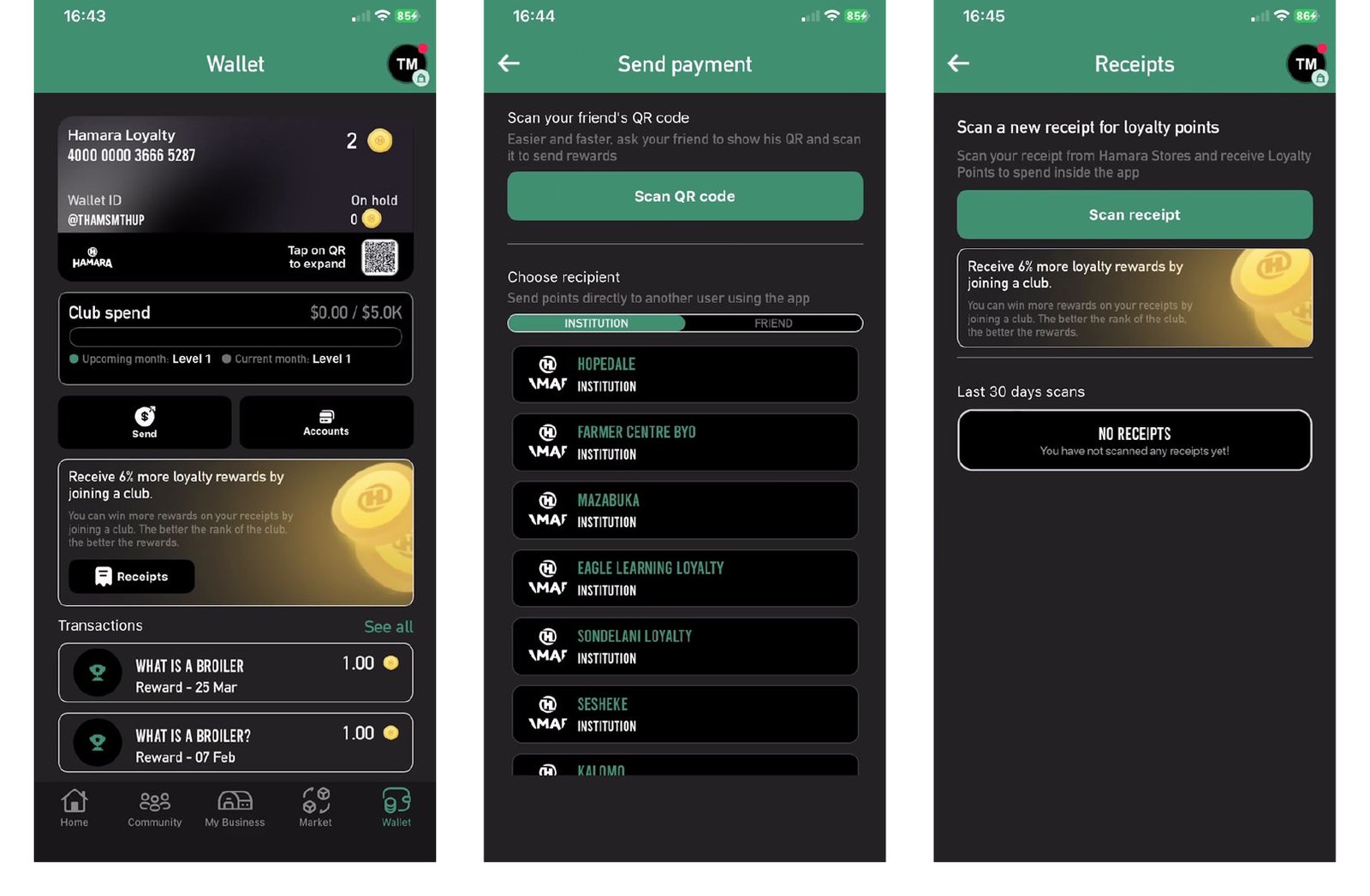
A smallholder farmer needs many things at once: know-how, quality inputs, financing, transport and a reliable buyer. In most of Africa each of those comes from a different place, if it comes at all. Hamara brings them together in a single app on the farmer's phone.
Built by people who farm with farmers
The Hamara Group began in 1987 as Sondelani Ranching, an ostrich ranch in Zimbabwe that worked alongside rural farmers to serve export markets. When those markets changed, the company moved into poultry, still built around small-scale farmers. Decades of that work taught a simple lesson: farmers succeed when they are part of a complete value chain that solves every problem they face, from inputs to markets.
Hamara now builds demand-driven, lowest-cost value chains that small farmers can join without the cost and complexity of setting one up themselves. The Hamara App is the doorway into them.
Two journeys: farmer and club
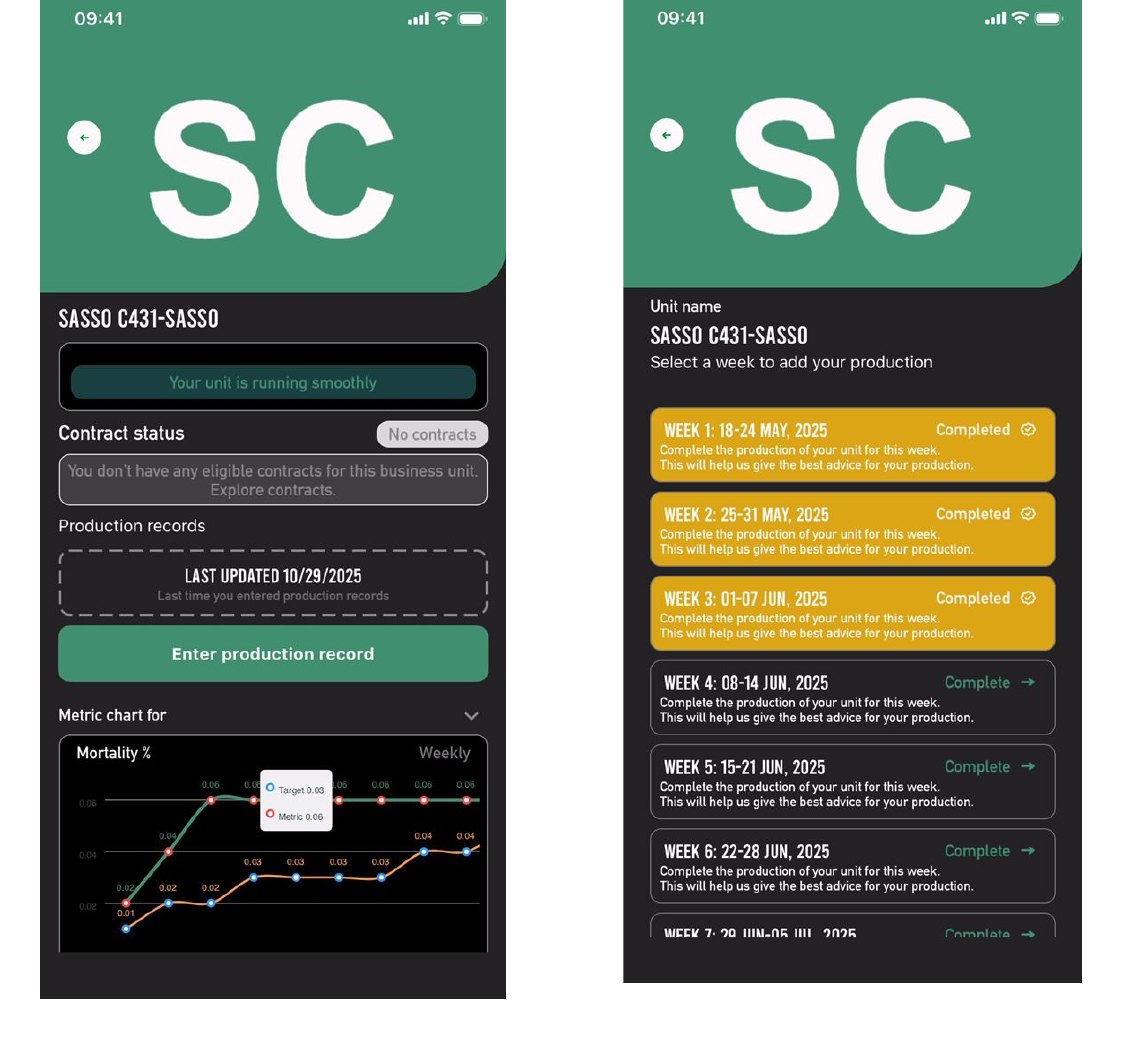
The app guides each farmer through five stages, from beginner to apprentice, graduate, champion and professional, measuring their progress as they learn to run their farm as a business. Training courses, record keeping and expert advice are built in.
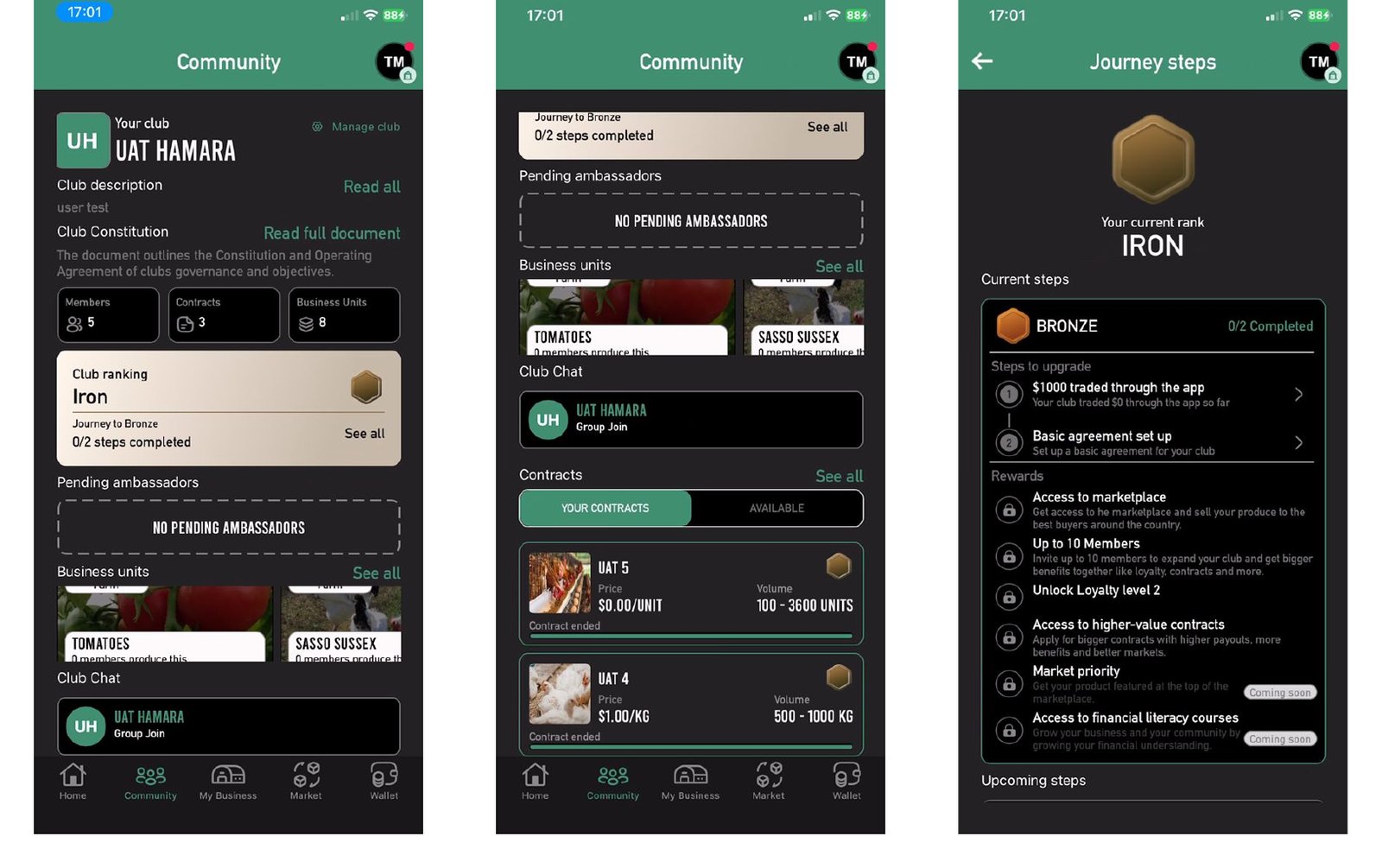
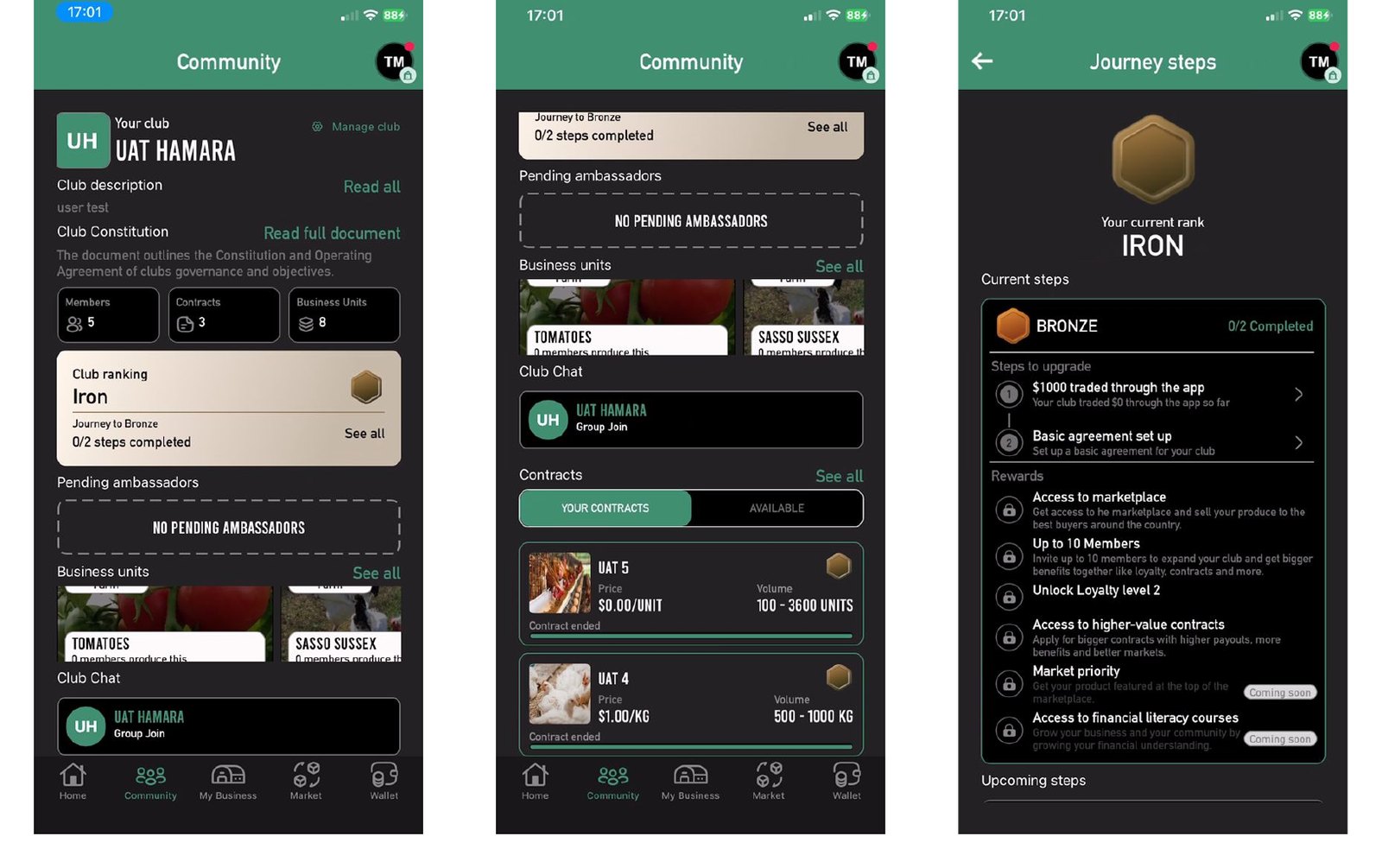
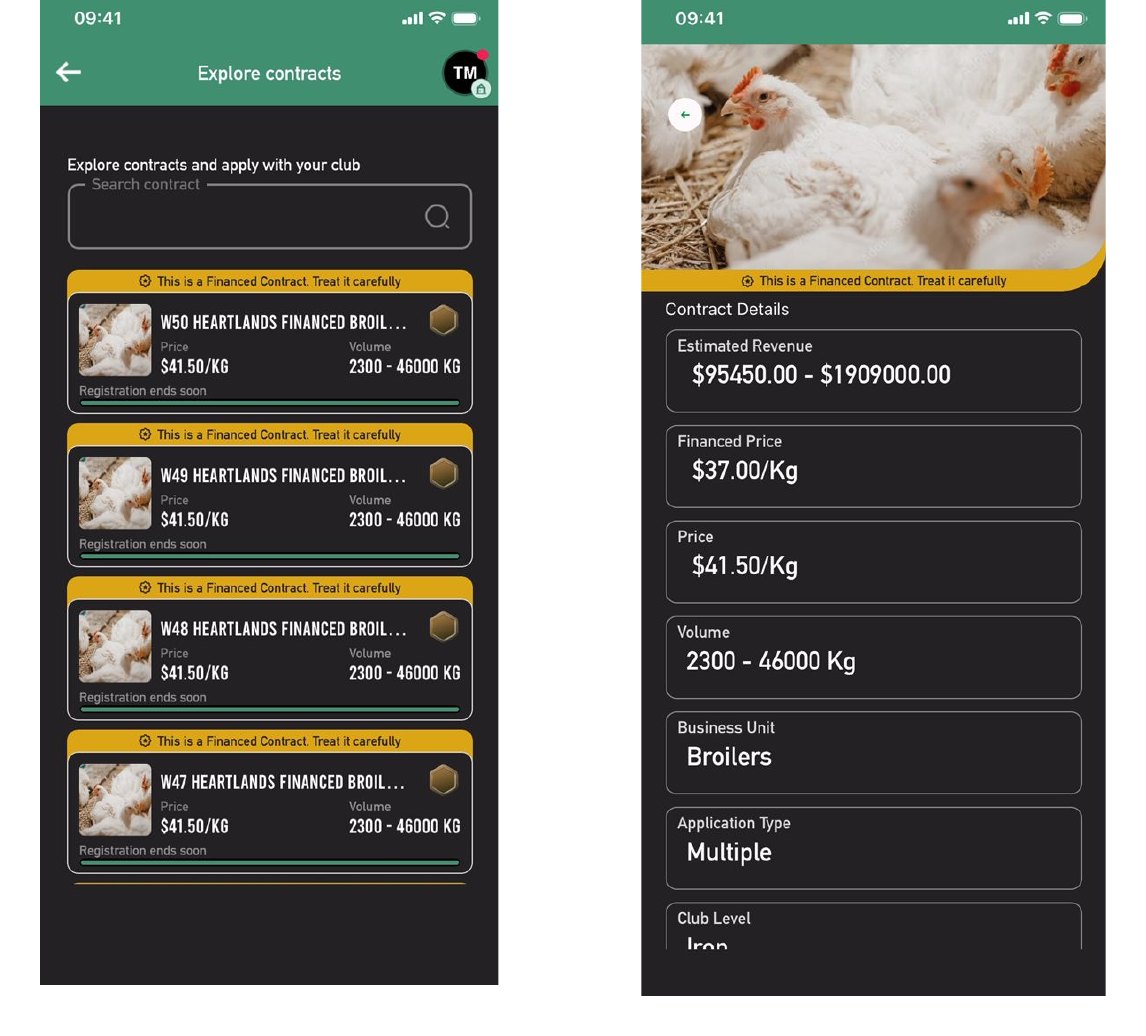
Farmers also form clubs in the app, and each club grows from iron to bronze, silver, gold and platinum. Clubs buy in bulk to earn discounts and loyalty rewards, and they sell in bulk by applying together for purchasing and growing contracts published right in the app. A wallet, a marketplace, messaging, news and logistics tools round out the platform.
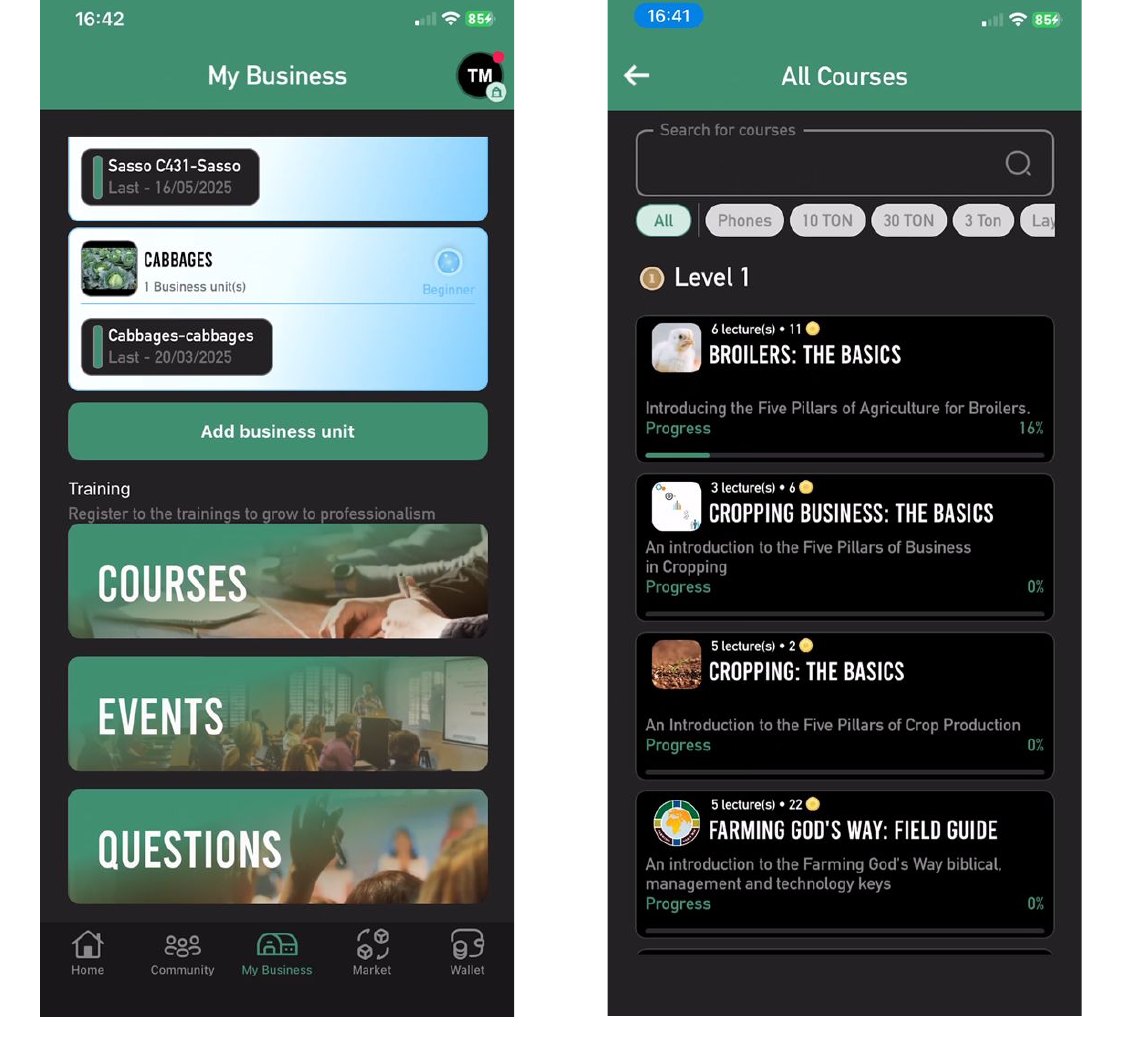
Put to work in Zambia
World Food Bank developed the Hamara App in partnership with Hamara to train and support the farmer clubs in our Zambia program. Farmers log their production in the app every day, and Farm Business Advisors visit each club weekly to confirm the data and help solve problems. That daily record gives farmers a clear view of their own progress, and gives lenders and buyers the transparency they need to trust a club's results.
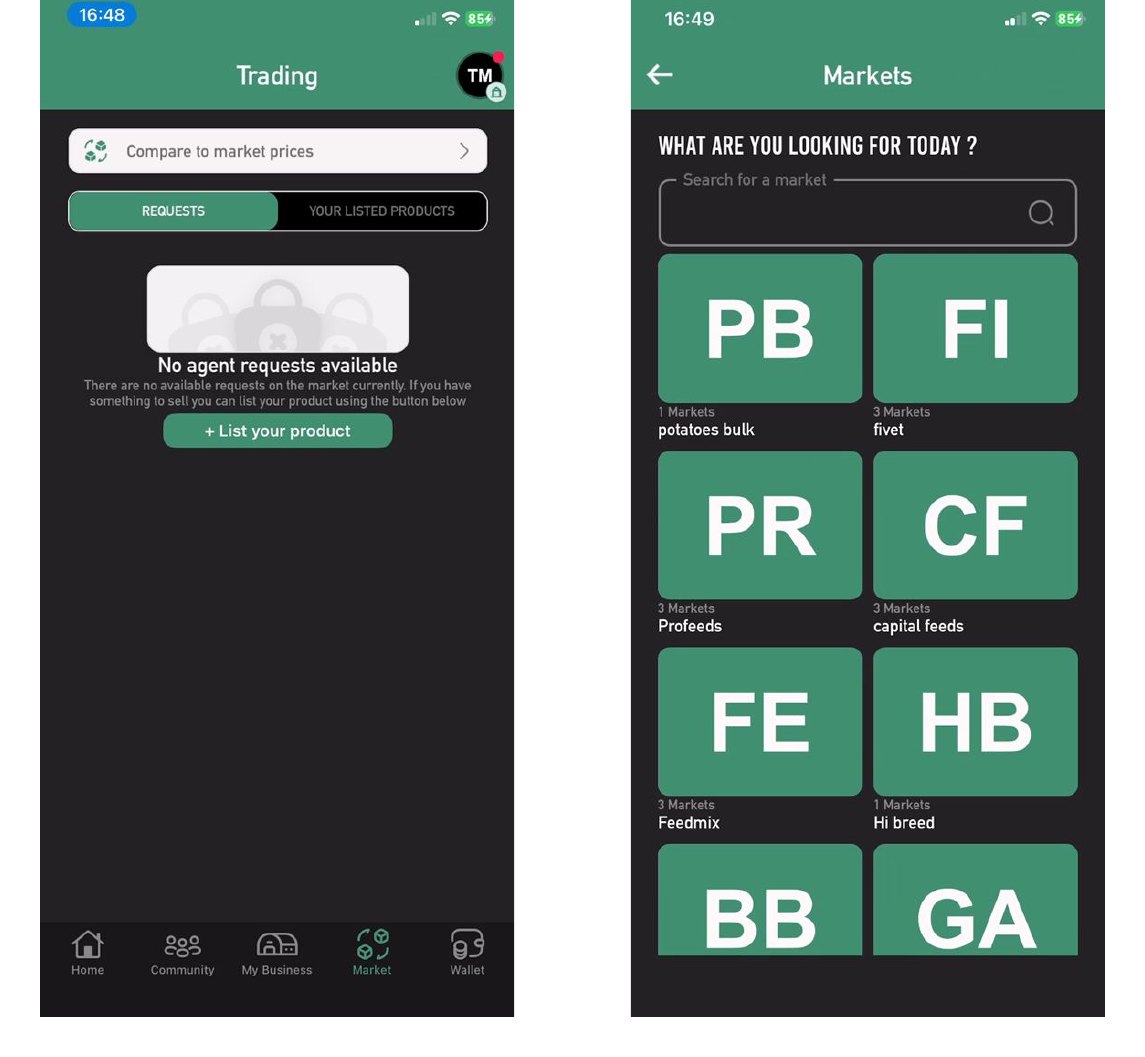
The app sits at the center of a complete value chain. Club farmers received financing for chicks and feed, Hamara grocery stores bought their produce and eggs, and processors bought their chickens.
Why we invested
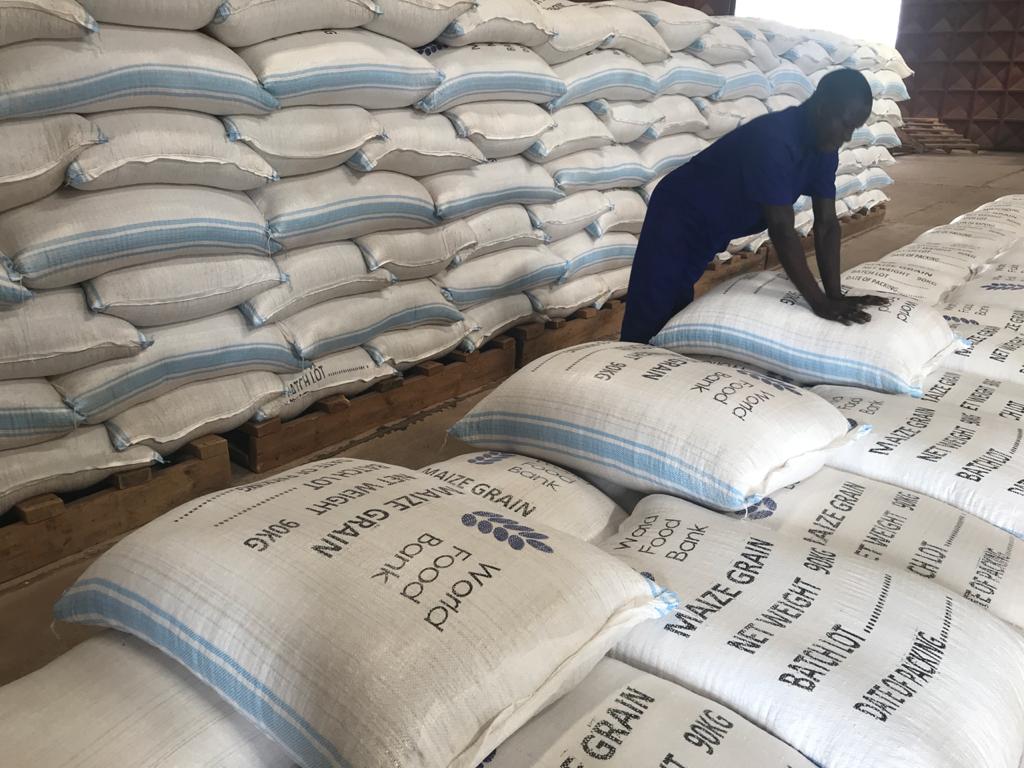
World Food Bank invested in Hamara through Mediae Group Ltd, the company we created to hold our stake in Mediae. Mediae teaches millions of farmers through television. Hamara turns that learning into action, one farmer and one contract at a time. Together with World Food Bank's work on inputs, financing, storage and markets, they form a system that can reach farmers at a scale no single program could.