How touring Angola's state farms with the military leaders who run them led to a multi-year, government-adopted plan to restore rice, maize, soybean and poultry production.
Angola has some of the best farmland in Africa: deep soil, reliable rivers and large state farms built for commercial production. Yet much of that capacity sat underused, and the country relied on imports for most of its rice and much of its food.
Seeing the farms firsthand
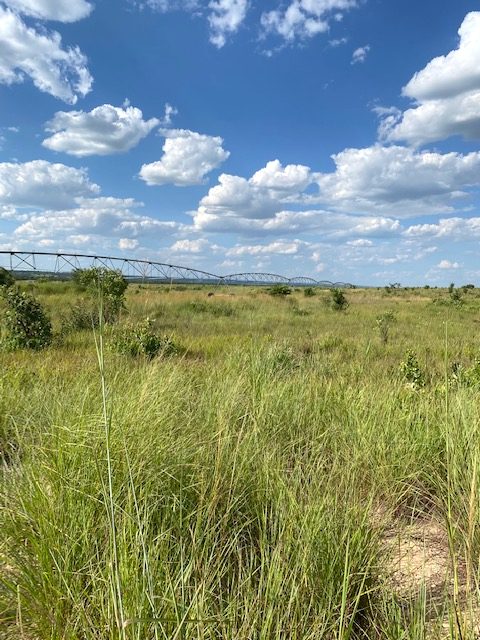
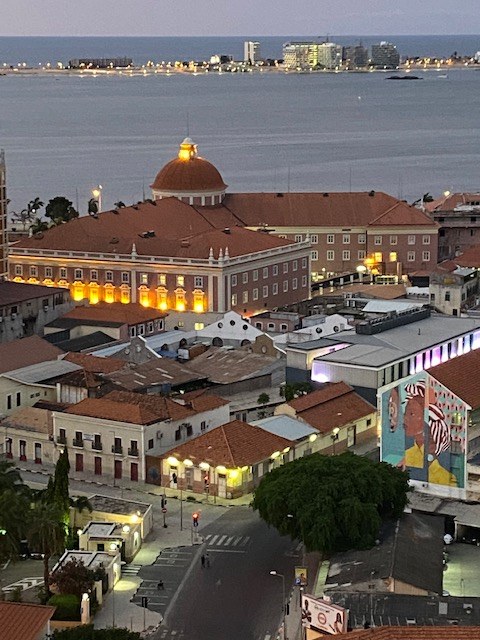
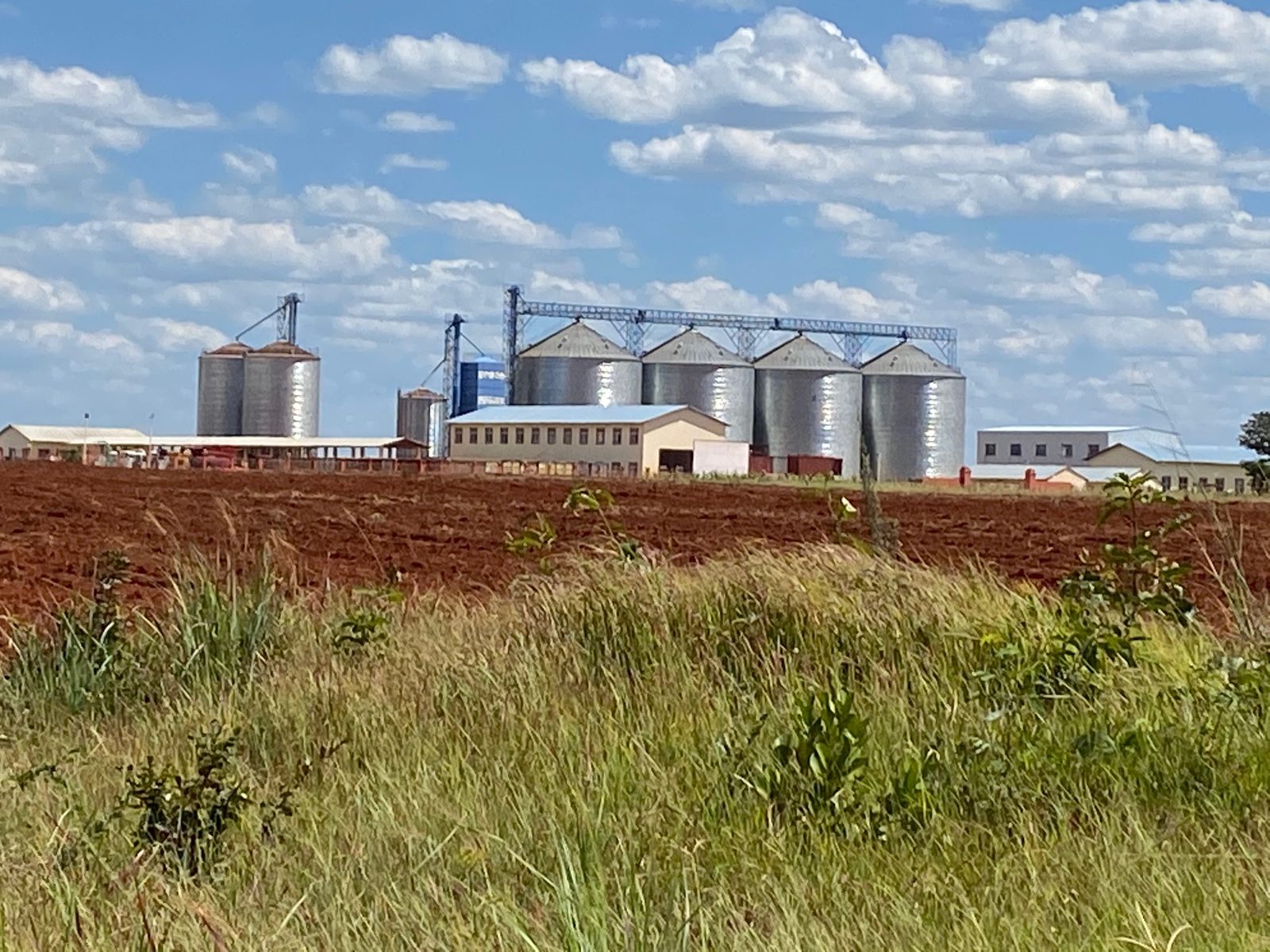
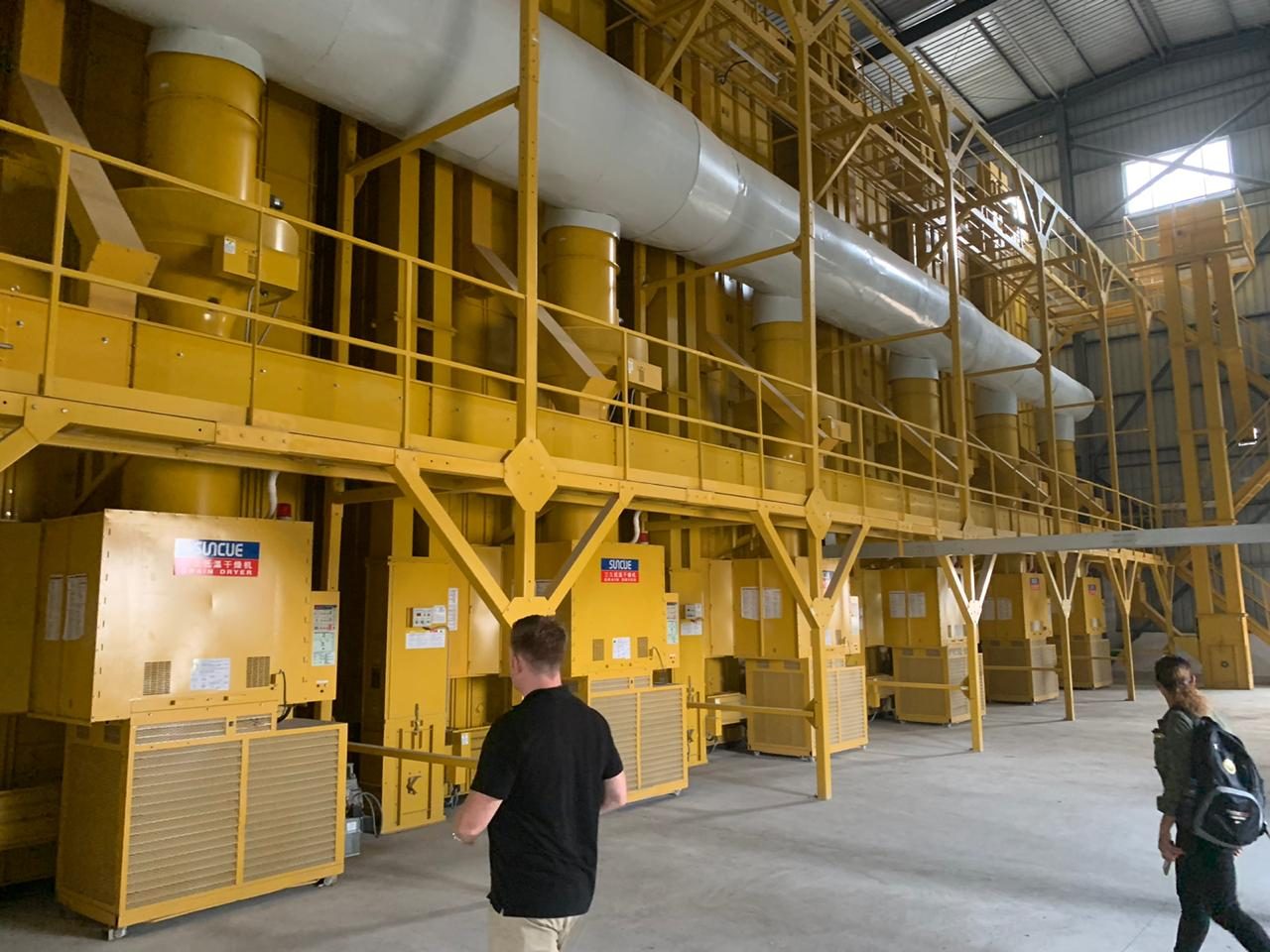
In 2020, World Food Bank traveled across Angola with the military leaders who manage the country's agricultural programs. Together we walked the fields, silos and processing plants of state farms to see what was working and what was holding production back. Many farms already had modern silos, mills and irrigation in place, while fields that should have been producing had gone unplanted.
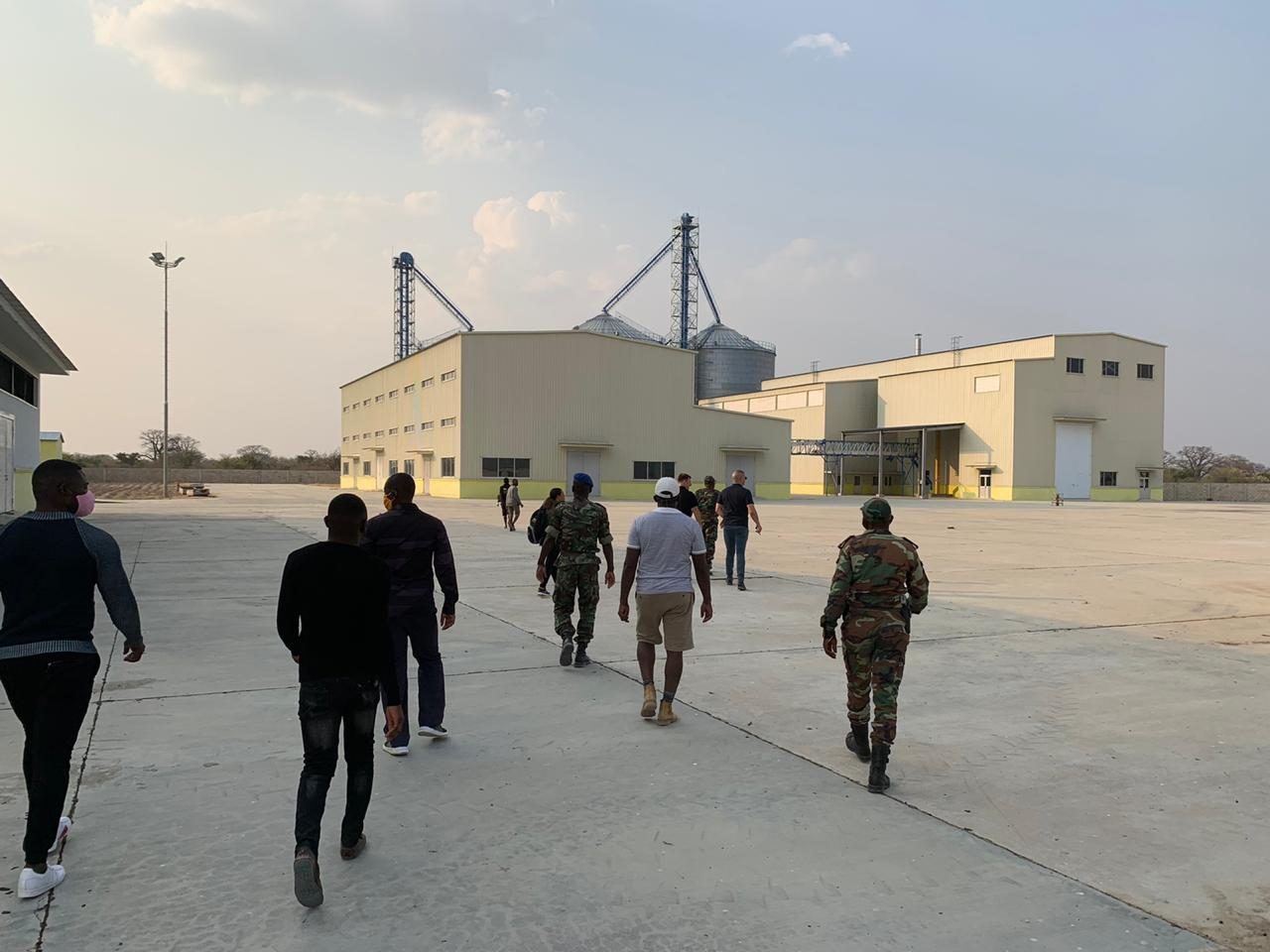
The work had two goals: make the farms more productive, and create a better, more reliable food source for Angola's retired military. That meant rebuilding production of rice, maize, soybeans and poultry.
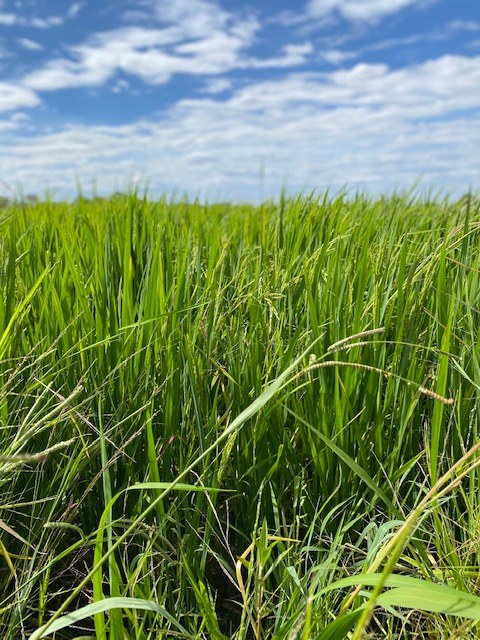
Often the fix starts with a sharp eye in the field. In a rice field in Moxico Leste, Angola's easternmost province, our experts showed the farm team that their plants were putting their energy into lush green leaves instead of into the rice itself. Small, practical changes like that, made alongside the people who manage the land, are where higher yields begin.
A plan the government adopted
In February 2021, World Food Bank met with President João Lourenço in Luanda and, in partnership with Angolan firm Builders Group Ltd, coordinated a multi-year plan to restore production and replace imported food with food grown and processed in Angola. The government adopted the plan and placed it under the management of the Ministry of Agriculture.
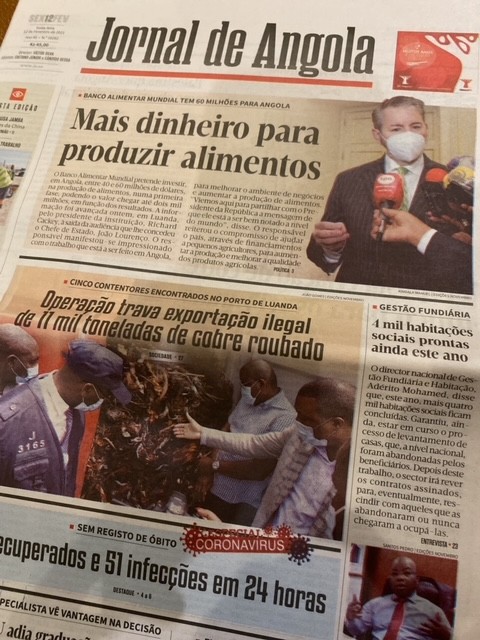
The meeting made national news. The next morning, Jornal de Angola carried it on its front page under the headline "Mais dinheiro para produzir alimentos" (More money to produce food), reporting our commitment to help Angola's small farmers increase production and improve the quality of their crops.
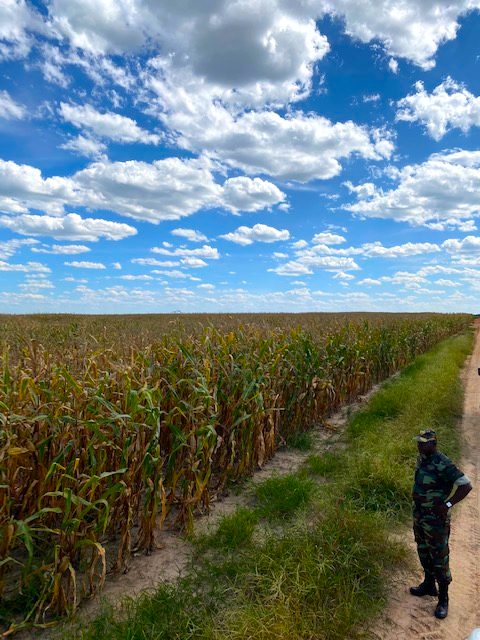
The plan centered on bringing two large state farms back to full production: about 10,000 hectares of maize and soybeans, and about 10,000 hectares of rice irrigated from the river. Our approach was to manage and train, not to own. Angola keeps its farms while local teams, including military-affiliated staff, learn to run them, and our role shrinks as their skills grow.
Protecting what is grown
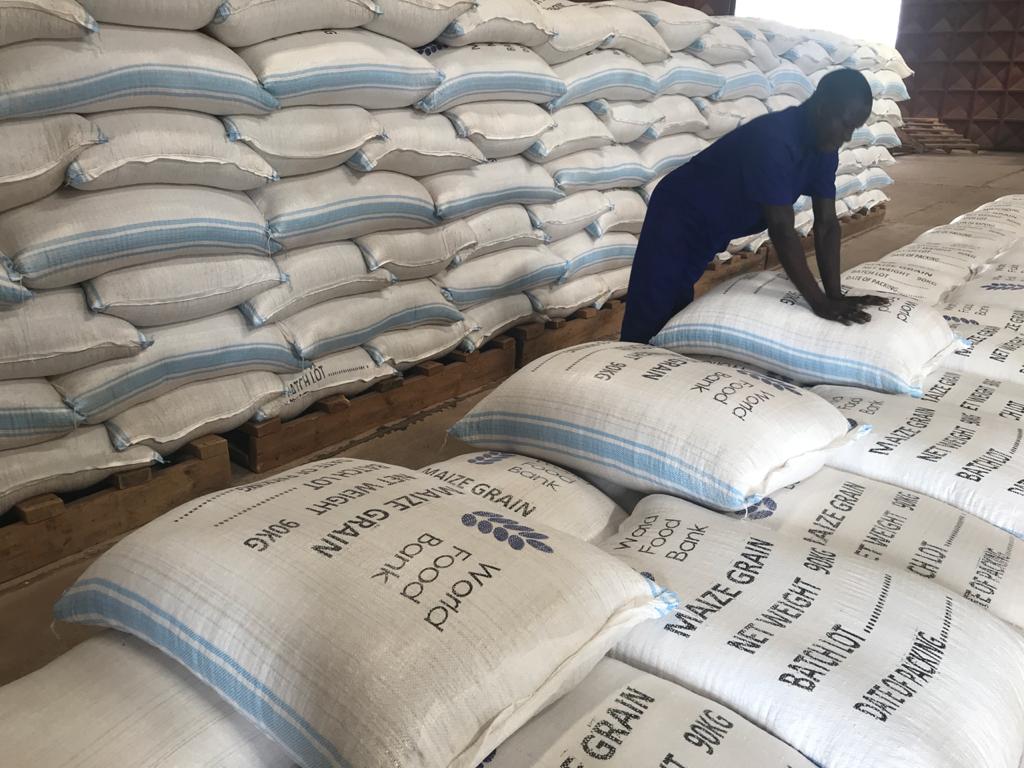
Growing more food is only half the job. We also designed a technology plan for a national food reserve: silos with sensors that warn managers of heat or moisture problems before grain spoils, low-heat drying that preserves nutrition, airtight hermetic storage, cold storage, and networks of mobile threshers and dryers so remote farmers can get their crops to market in good condition.
How World Food Bank works
Angola shows how we work with governments. We go to the field, learn the real constraints from the people who manage the land, and build a plan the country can own and run itself.