

World Food Bank — Feeding the world more efficiently
Bringing market-basedefficiencies to the world'smost inefficient market: Food.
We build sustainable food systems — from grain reserves to pulses, tubers and dried harvests — with trade corridors and rapid relief, so no community faces an empty season alone.

What We Do
One mission, four hands.
World Food Bank Group is a benevolently missioned for-profit. Donations can only be made to the non-profit World Food Bank Foundation.
Senior Advisory
For governments, corporations, and non-profits
Counsel to leaders designing national food security strategies, corporate programs and non-profit initiatives — from first plan to adopted policy.
System Integration & Implementation
Food security systems, built on the ground
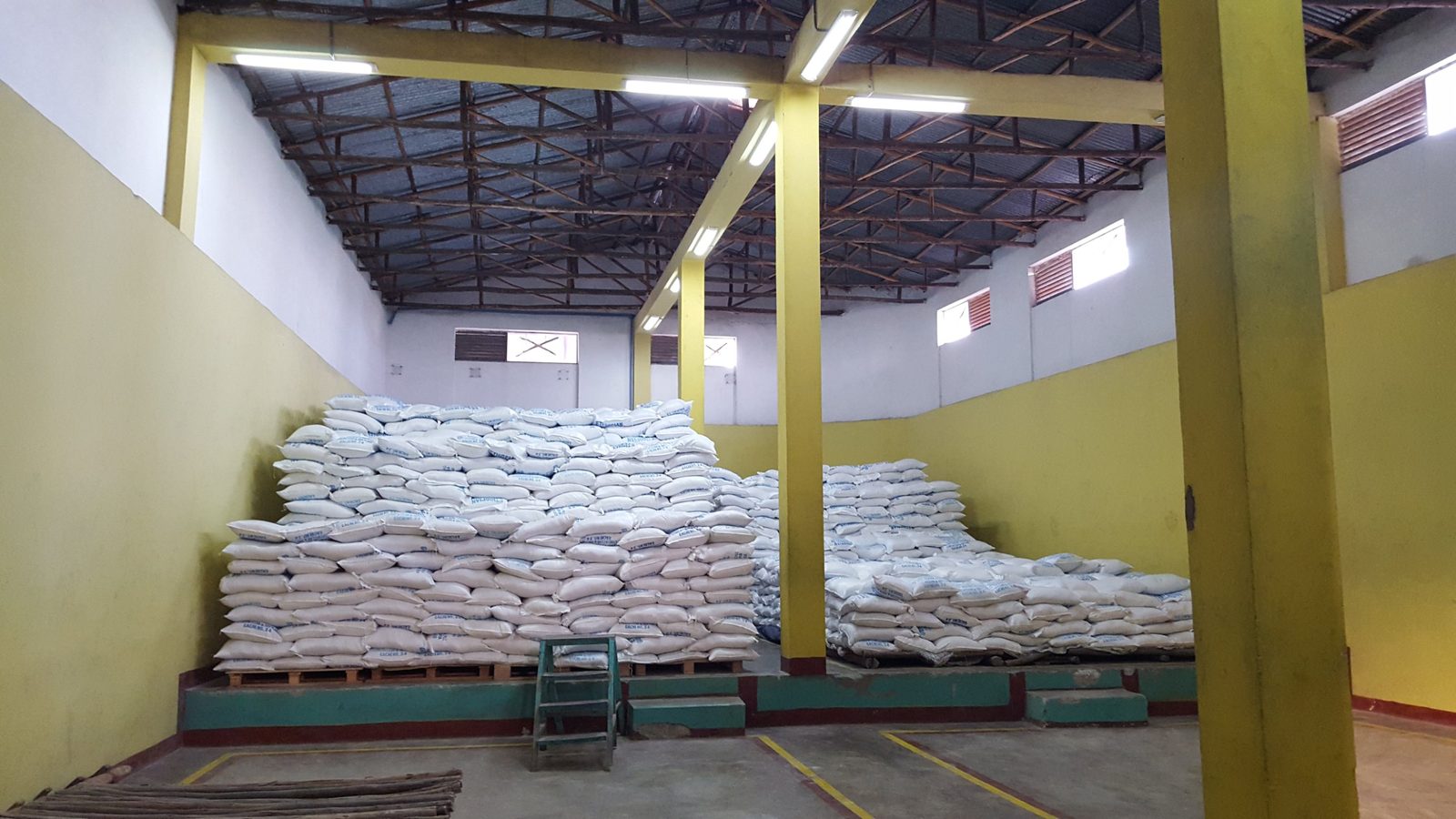
Reserves, trade corridors, regional drying and storage, and ZeroFriction logistics — integrated and implemented with the communities they serve.
Fund Design & Management
Food system funds, structured for ownership
Designing and managing funds that let local farmers, cooperatives and businesses acquire the assets and enterprises inside their own value chains.
Media Programs
Entertaining, educating, empowering
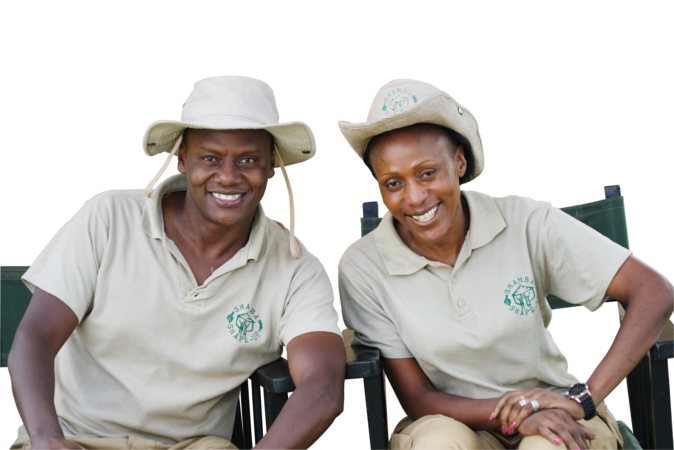
Shamba Shape-Up and Farm Hero — prime-time programs that turn agronomy into entertainment and viewers into better farmers.
Living Systems
True Regeneration: People & Planet.
Adding value and improving outcomes.
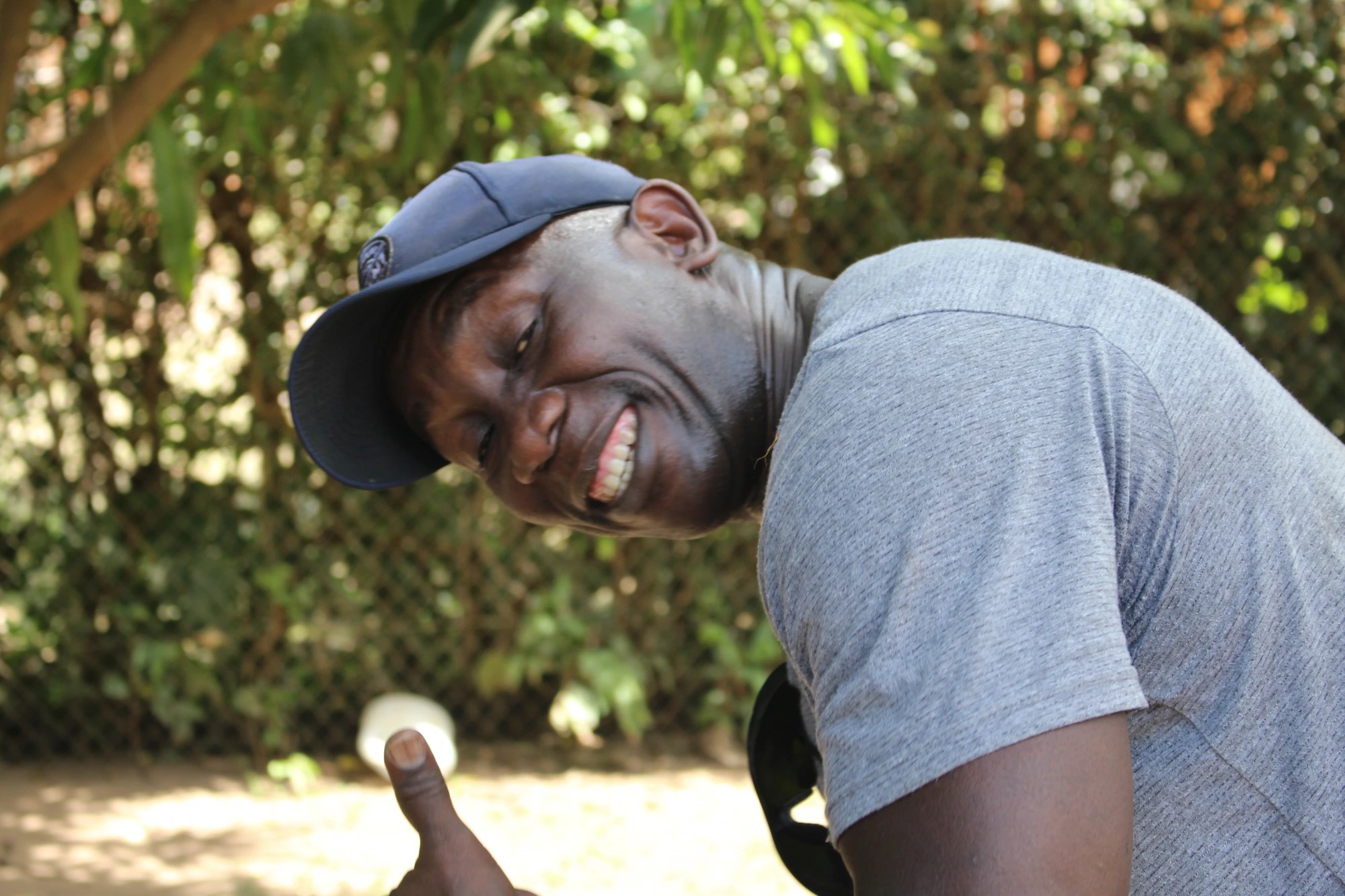
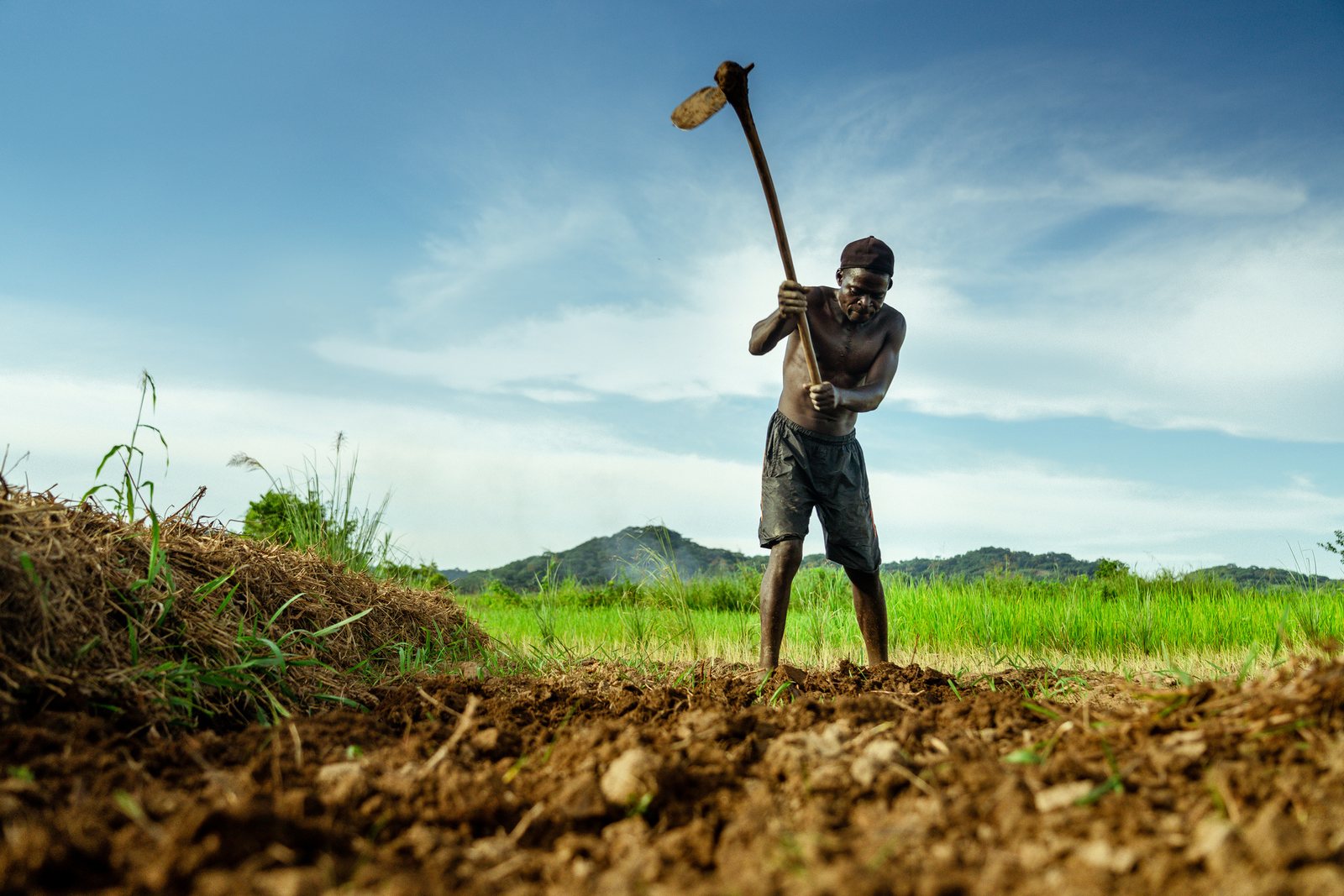
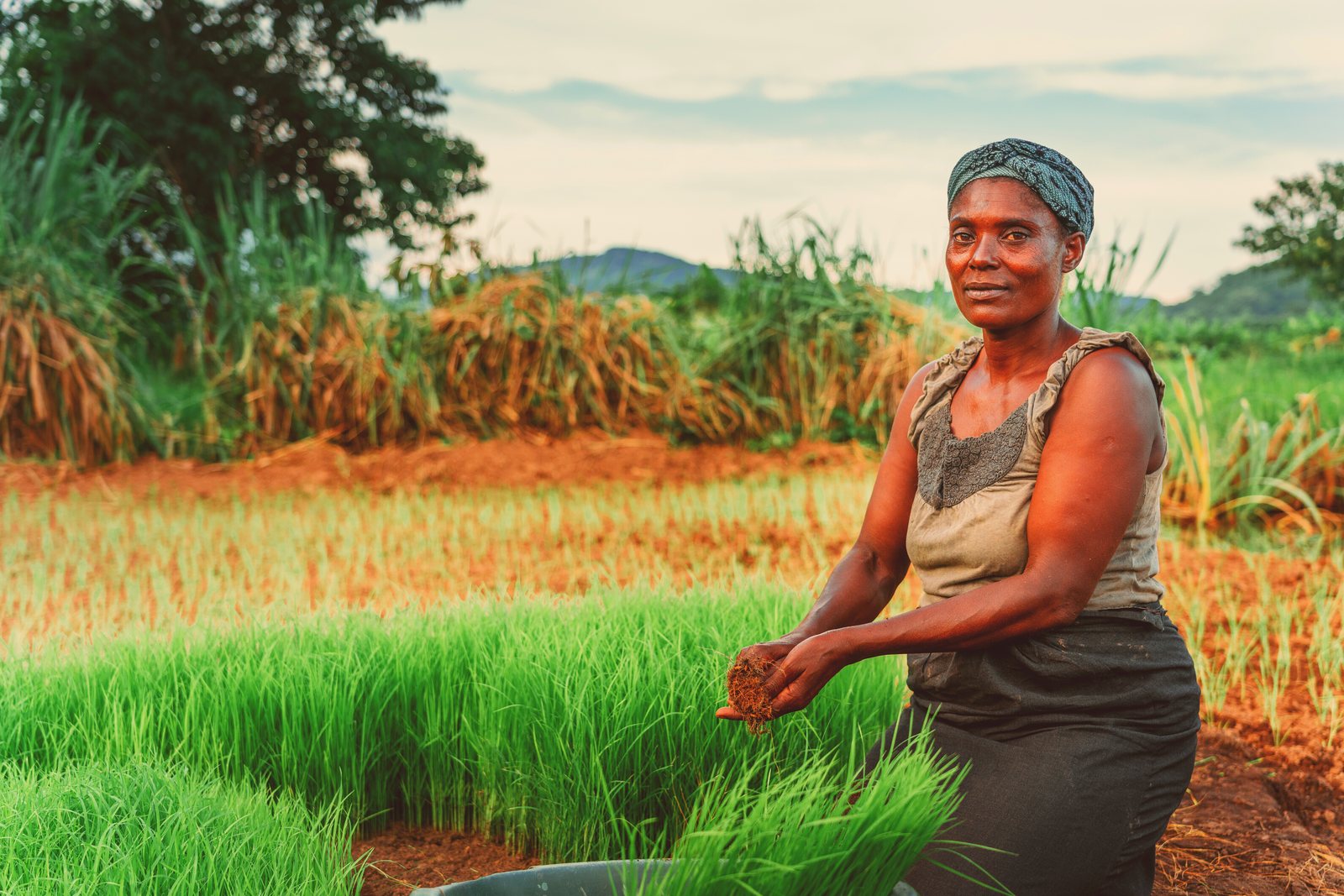
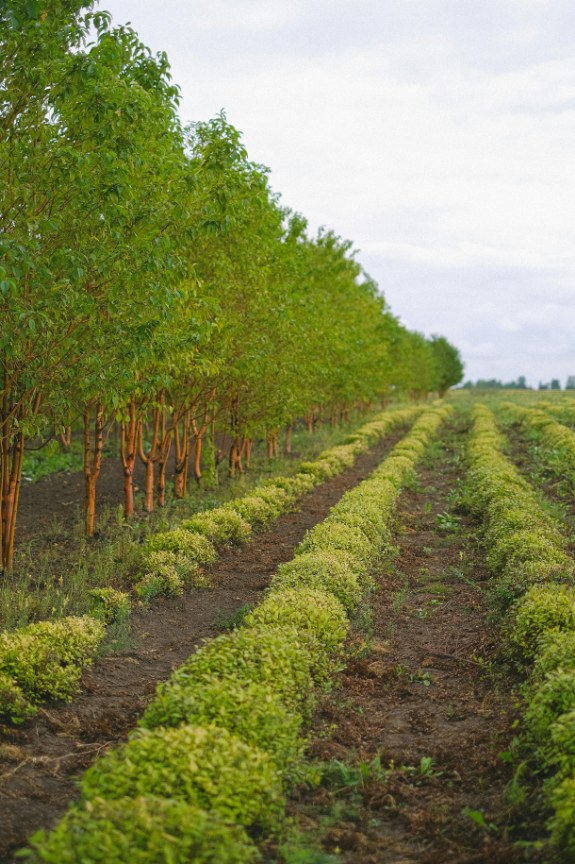
World Food Bank helps communities grow and protect living abundance: pulse and tuber fields, orchards and kitchen gardens, and herbs, fruits and vegetables dried at regional facilities and stored safely for the lean season. Food security that is alive — rooted in the community it feeds.

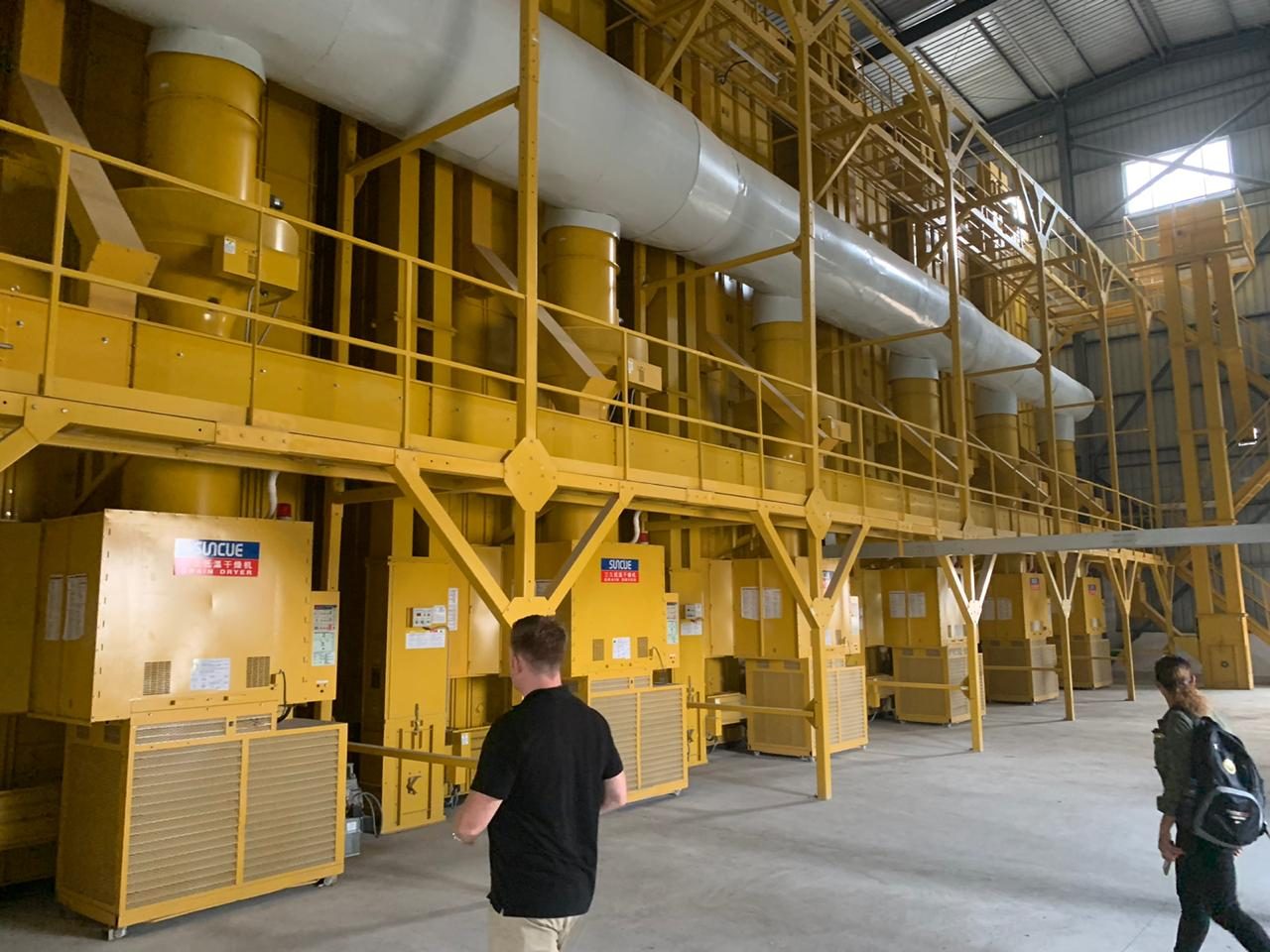
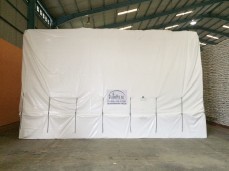
close to home.Regional drying & storage facilities
Work & Stories
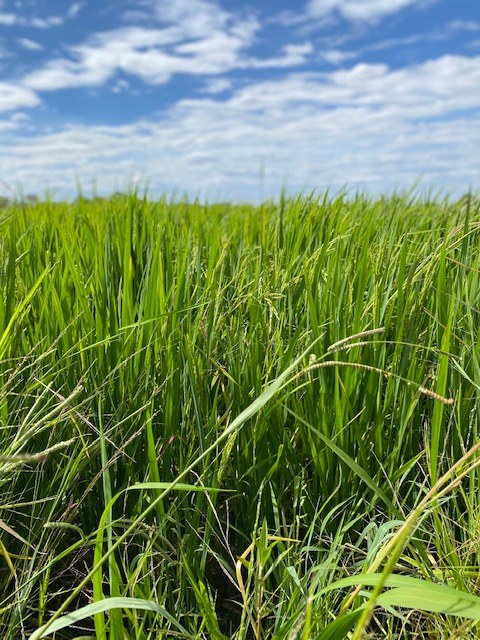
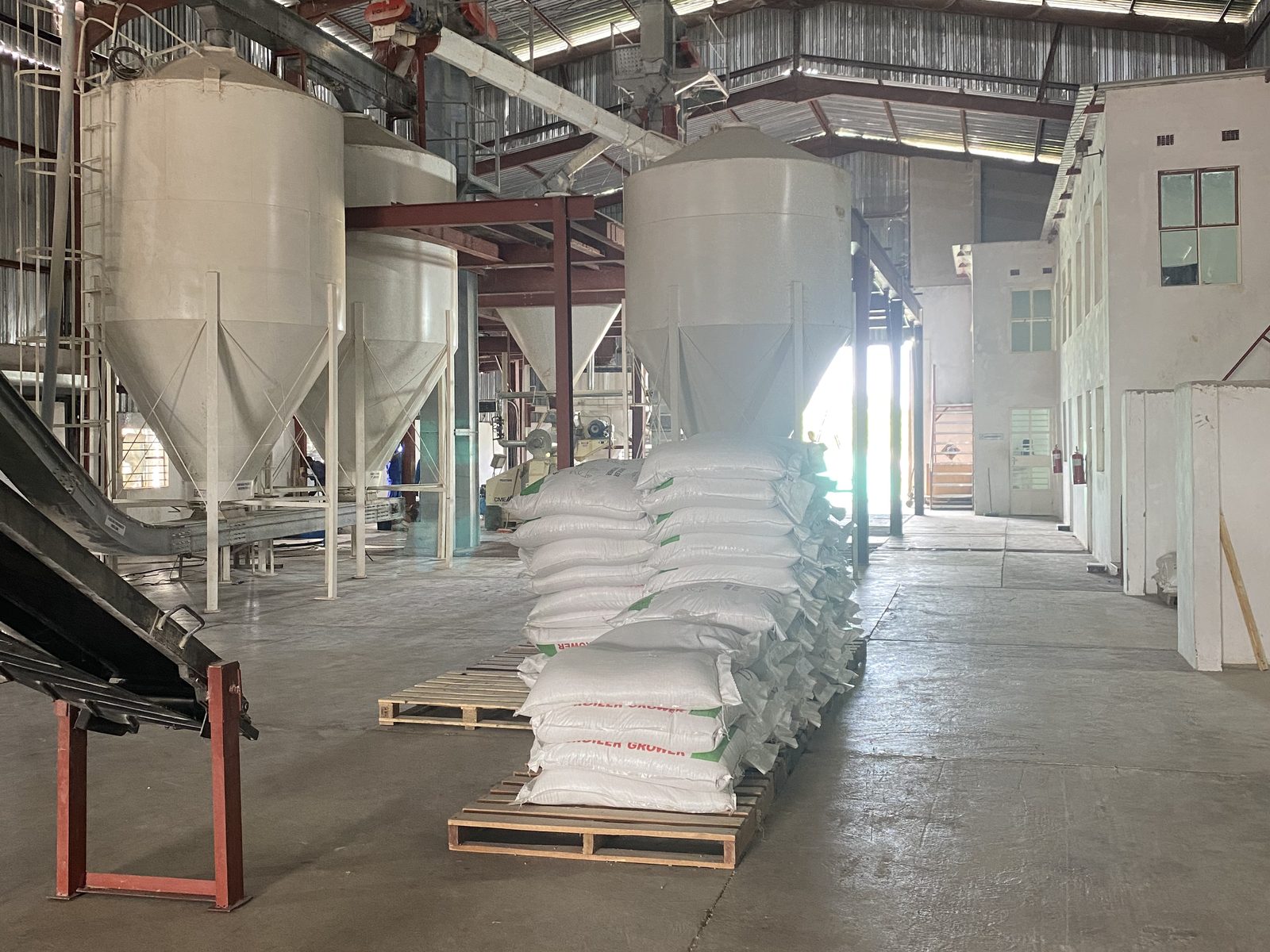
Dispatches from the field.
All stories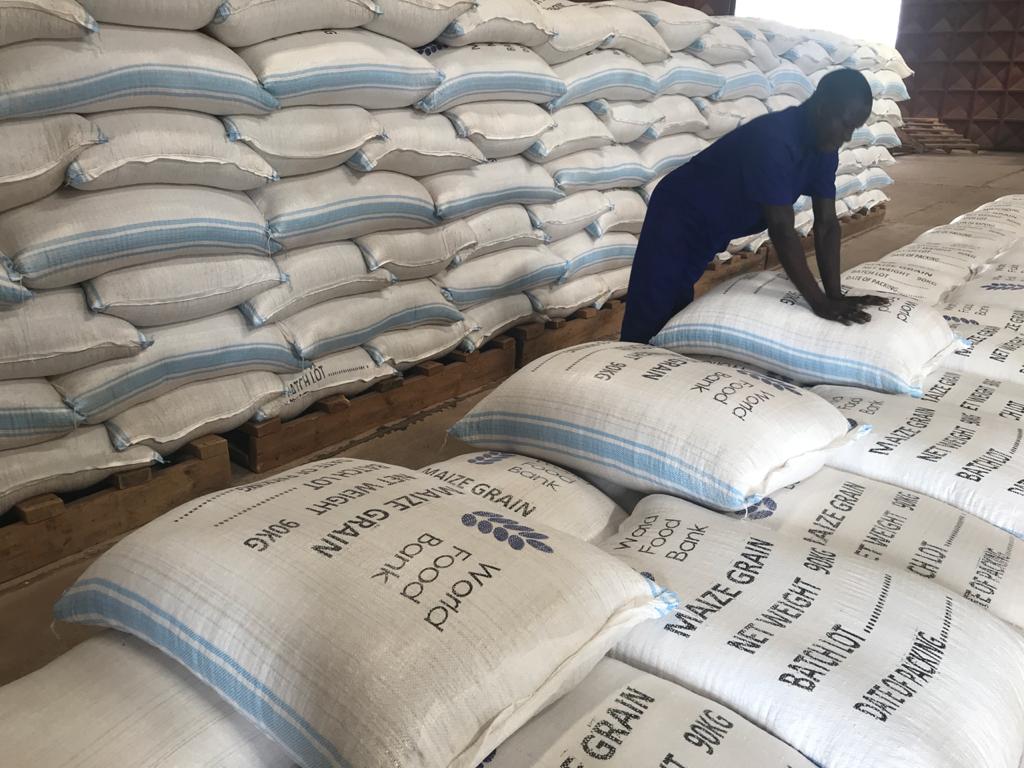
Our Model
We create lasting food security and shared prosperity.
We look at hunger as a food system problem. And when that system is addressed properly, it does far more than fill plates: it solves for poverty, improves health outcomes and nutrition, and restores the quality of soil, water and biodiversity. The Zero Hunger Formula is the common framework behind every program we design.
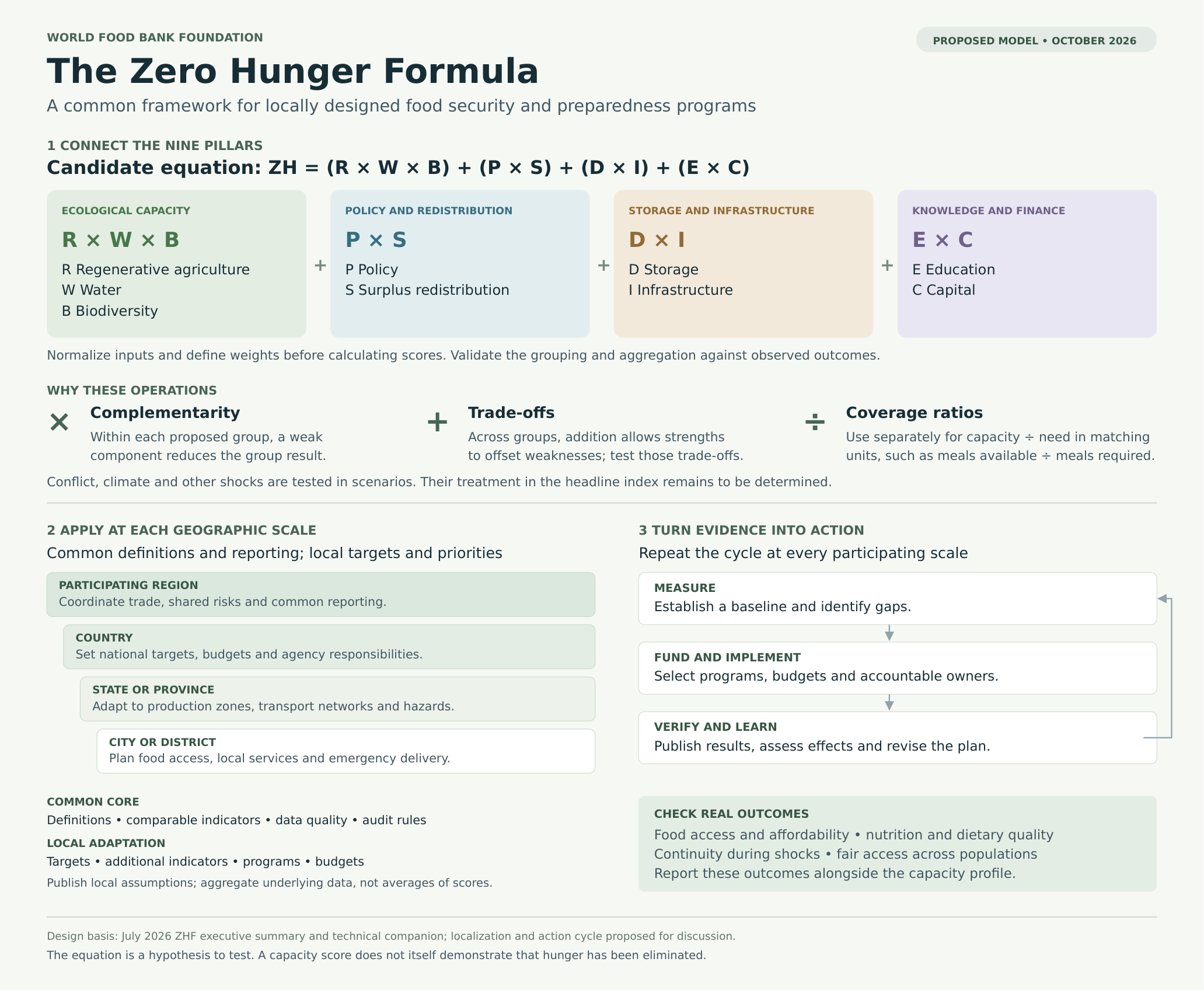
The Zero Hunger Formula — our common framework for locally designed food security programs
Agricultural Market Development
Every first-world economy was transformed by agriculture first.
According to the World Bank, 78% of poor people live in rural communities and participate directly in agriculture. To truly transform the face of poverty and hunger in developing nations, the work has to involve agricultural market development.
Clubs
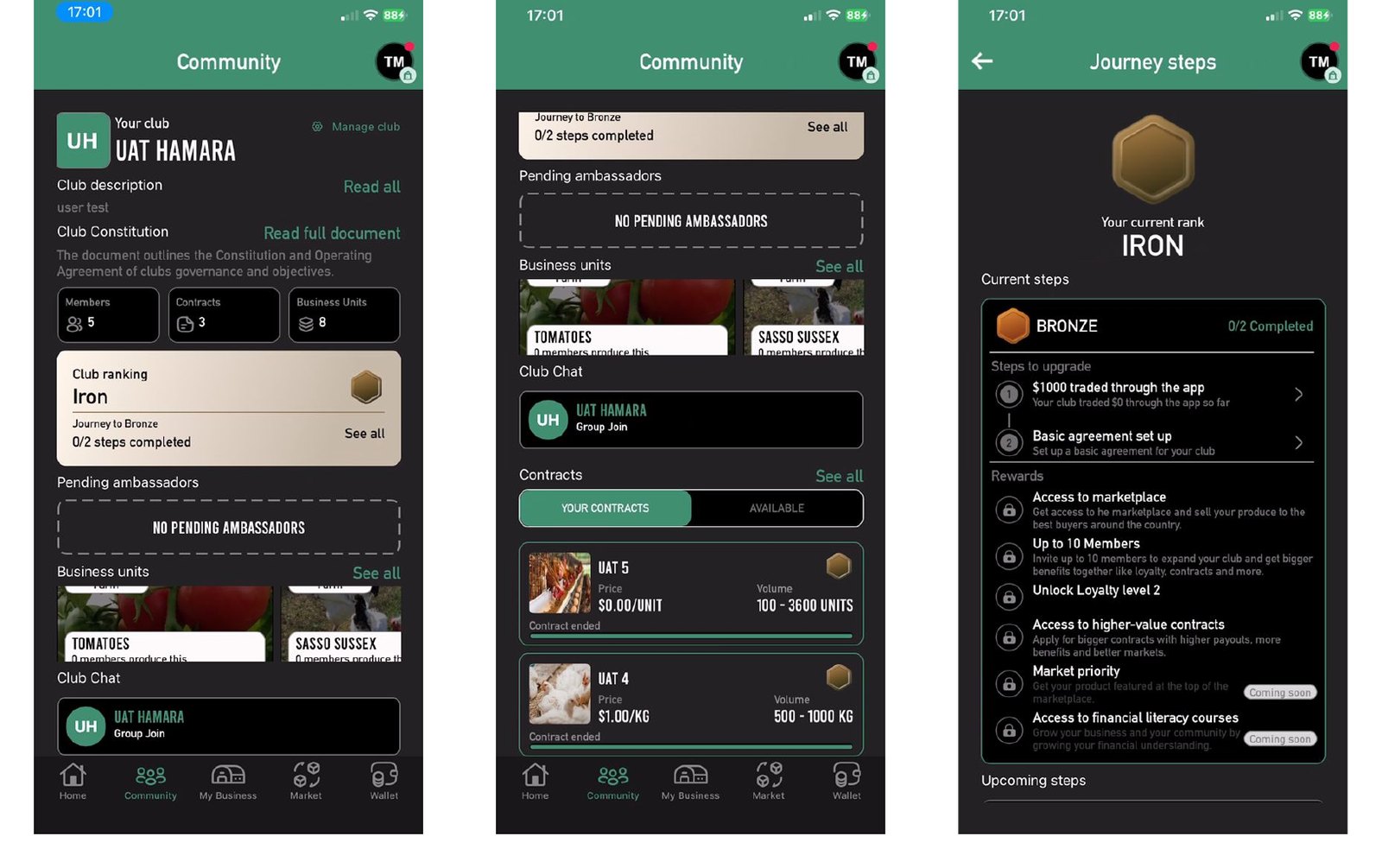
We work on sustainable solutions through Club and Cooperative communities. Each Club has its own President, Treasurer, Secretary, Media and Technology leaders, and signs an operating agreement that holds each member accountable for learning and doing what they need to succeed. As clubs meet levels of competency and efficiency, they become eligible for input financing.
Farm Business Advisors
FBAs and Field Officers are trained by partner organizations and through our app technology on the latest advances in regenerative agriculture, and may be certified by World Food Bank in soil, seeds, fertilizer, irrigation, harvest and storage. They earn commissions for distributing inputs and for grading and aggregating commodities at harvest.
Offtake & Storage
We guarantee offtake for participating farmers, directly or through corporate partners. This makes them more bankable and insurable, and often provides a premium for quality and transparency.
Funding
Where production volumes are high there is often pricing pressure. We provide mechanisms for price floors that keep farmers motivated to use good practices and grow the volume of important crops — and are working to launch large regional funds to support this effort.
Partner Integration
The ecosystem is complex. We coordinate it.
- GovernmentAdvisory boards, coordinating agencies, policy making and financial commitment.
- Non-Government OrganizationsDirect implementation, coordinated metrics and shared missions.
- Private CompaniesFree-market solutions that grow jobs and income in local markets.
- EvaluationMonitoring, traceability, accountability and quality assurance.
- EducationNeeds analysis, training materials and measured instruction.
- TechnologyPayment systems, analysis tools, planting, irrigation and monitoring.
- Integrated FundingCoordinated commitments of governments with development banks and institutions.
Key Sectors
Soil
Support healthy, nutrient-rich soil.
Seed
Provide dependable hybrids for higher yields.
Fertilizer
Enhance productivity with corrective measures.
Irrigation
Address the unpredictable rainfall.
Herbicide
Improve the timely removal of weeds.
Pesticide
Minimize the pesticide risks in agriculture operations.
Harvest
Decrease loss between production and harvest.
Transportation
Boost efficiency and reliability.
Processing
Expand manufacturing of quality food products.
Storage
Maintain standards, increase marketable surplus.
Insurance
Extend access to agriculture coverage.
Financing
Support farmers' financial resiliency.
Watch · TEDx Wilmington
The Zero Hunger Formula, explained on stage.
A note on inputs: World Food Bank's preference for fertilizer is natural composting and animal waste that comes from regenerative practices.
Watch on YouTubeOn film
Driving change globally through media.
Coordinated access
Education, inputs, finance and markets.
Knowledge is the first input.
We train farmers at scale — 9,700 in Hoima alone — and put agronomy on prime time through Shamba Shape-Up, so improved practices reach millions of farming households in a format they love.
Smallholder farmers are extremely risk averse, so they stick with traditional methods. Healthier soils drive everything: low and no-till practices, soil testing, seed selection, cover cropping and better post-harvest techniques quickly lift quality, quantity and income. We combine hands-on community training, continuing education for agronomists and farm business advisors, and entertaining TV and radio programs.
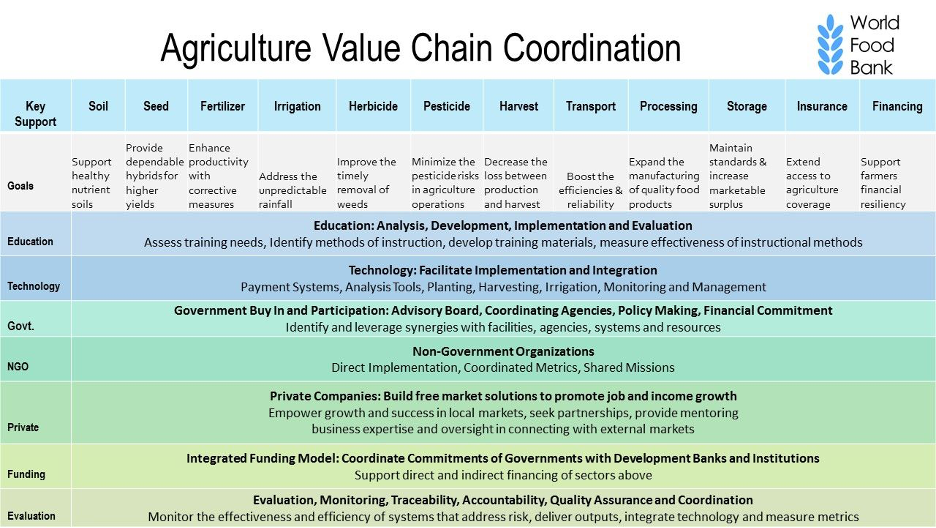
How we coordinate the agriculture value chain — from soil to financing
Leadership
Guided by people who have fed communities at scale.
Our directors and advisors bring decades of experience across African agriculture, global food brands, finance and development.
Board of Directors
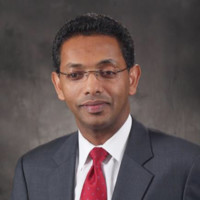
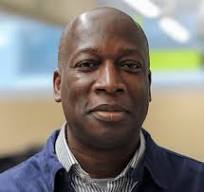
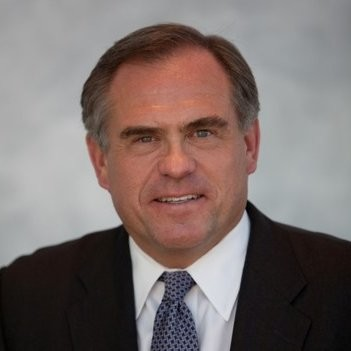
Board of Advisors



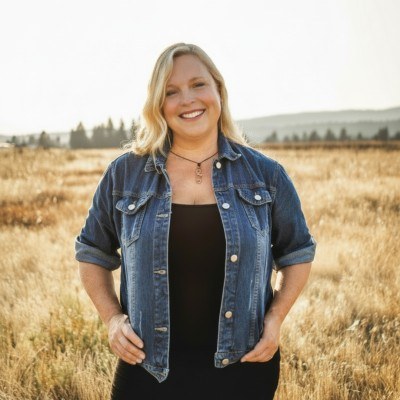




About Us
We are leveraging food as a tradable asset to lift millions out of poverty permanently.
World Food Bank exists to end the hunger cycle — the annual swing between surplus and shortage that keeps farming families poor and nations dependent. We work where the food system breaks: storage, markets, logistics and information.
From sustainable food systems in East Africa to relief vaults in Kentucky, our work is practical, measurable and built to be owned by the communities it serves.
World Food Bank Group is a benevolently missioned for-profit. Donations can only be made to the non-profit World Food Bank Foundation, a 501(c)(3).

Contact
Join the Zero Hunger Movement.
Governments, NGOs, growers' cooperatives and donors — if you are working on food security, we would like to hear from you.
Write to us
info@worldfoodbank.org
Prefer to give?
World Food Bank Group is a benevolently missioned for-profit. Donations can only be made to the non-profit World Food Bank Foundation.
Visit wfbfoundation.org